The short answer on Cape Cod fishing boating and water sports: it all depends on which of the Cape’s four kinds of water you’re on. Cape Cod Bay is calm with huge tides and miles of flats, Nantucket Sound is the warmest and gentlest, the Atlantic side brings surf, cold water and seals, and hundreds of freshwater kettle ponds sit in the woods between them. Match the activity to the water and the day to the forecast, and almost anything works: surfcasting at dawn, a charter for striped bass, clamming at low tide, paddling a marsh creek, a sailing lesson or a surf session on the Outer Cape.
This page is for anyone planning time on the water, from a first kayak outing to a day of offshore fishing. The caveat that matters: rules have tightened. Since April 1, 2026, Massachusetts has required a boater safety certificate for many motorboat operators, anglers 16 and older need a saltwater permit, and every town issues its own shellfish permits and closes flats without much notice. Details were checked September 23, 2026 against official sources and operators.
On this page: Activities at a glance · Which water · Tides, wind and fog · Fishing · Shellfishing · Kayaking and paddleboarding · Sailing and boat rentals · Surfing and wind sports · Safety · Seasons · FAQ
Cape Cod water sports at a glance
| Activity | Best water | Skill needed | Rules to know |
|---|---|---|---|
| Surfcasting and shore fishing | Outer Cape beaches, the canal, jetties and harbor mouths | Beginner to expert | Saltwater permit at 16 and older; striped bass slot limit |
| Charter fishing | Cape Cod Bay and offshore | None; the captain does the rest | Book ahead in summer; ask about permits and gear |
| Party boat fishing | Out of Hyannis and Barnstable Harbor | None | Shared boat, lower cost per person |
| Freshwater fishing | Kettle ponds | Beginner | Freshwater license at 15 and older |
| Shellfishing | Bay and harbor flats at low tide | Beginner | Town permit; only in open areas on open days |
| Kayaking and paddleboarding | Ponds, marsh creeks and sheltered bays | Beginner on flat water | Life jackets for kids under 12, and for all paddlers from September 15 to May 15 |
| Sailing | Pleasant Bay, Lewis Bay, Nantucket Sound | Lessons available for all levels | Know the tides and the shoals |
| Powerboat rental | Harbors and sheltered bays | Some experience | Boater safety certificate for many operators from April 1, 2026 |
| Surfing | Outer Cape ocean beaches | Lessons for beginners; the ocean side is for competent swimmers | Follow lifeguards; watch for seals and sharks |
| Windsurfing and kitesurfing | Windy bays and sounds | Intermediate and up | Take a lesson before you go out alone |
Which Cape Cod water is right for what?
The Cape’s waters behave so differently that the same kayak or rod can be perfect on one side and dangerous on the other. The rule of thumb: the farther you are from the open Atlantic, the calmer and warmer the water.
| Water | What it’s like | Best for | Watch for |
|---|---|---|---|
| Cape Cod Bay | Calm most days, with big tides that expose wide flats at low water | Clamming, paddling at high tide, family fishing, charters for stripers | Getting stranded on the flats as the tide drops; afternoon wind |
| Nantucket Sound | The warmest water, with gentler waves | Sailing, paddleboarding, swimming, easy boating | Boat traffic near the harbors; shoals |
| The Atlantic, Outer Cape | Cold, with surf, rip currents and seals | Surfing, surfcasting | Rips, cold water, white sharks, shore break |
| Buzzards Bay, west side | Warm, often breezy | Sailing, windsurfing | Afternoon chop |
| Kettle ponds | Freshwater, sheltered, no tides | First-time paddlers, kids, freshwater fishing | Summer crowds at the landings |
| Marshes and estuaries | Winding, tidal and full of birds | Kayak tours, birding by boat | Tides running hard in the channels |
If you’re really here for the beaches rather than the boats, our guide to Cape Cod’s beaches sorts them by coast, water temperature and crowds.
How do tides, wind and fog affect a day on the water?
More than anything else. The Cape’s water sports run on the tide table and the marine forecast, and the people who get into trouble are usually the ones who checked neither.
Tides
Cape Cod Bay’s tides are big enough to change the map twice a day: at low water, some bay beaches expose flats that run far out from the shore, and harbors like Rock Harbor in Orleans drain until boats sit in the mud. That’s perfect for clamming and terrible for a kayaker who stayed out too long. Check NOAA’s tide predictions for the nearest station before you go (Woods Hole, for example, on the Upper Cape), plan to paddle with the tide rather than against it, and give yourself a margin on the return. In the marsh channels and harbor mouths, the current can run faster than a beginner can paddle.
Wind
Summer mornings are often calm, and the breeze builds through the afternoon, usually from the southwest. That’s good news for sailors and windsurfers and bad news for anyone paddling a sit-on-top kayak back across an open bay at 3 p.m. Get out early, stay close to shore, and turn around before you’re tired, not after.
Fog and weather
Fog can roll in quickly, especially early in the summer, and it hides landmarks and other boats. Thunderstorms build on hot afternoons. Check the National Weather Service marine forecast for Cape waters before any boating trip, carry a phone in a waterproof case, and tell someone on shore where you’re going and when you’ll be back.
Water temperature
The ocean side stays cold enough to shock a swimmer well into summer, while Nantucket Sound and the bay warm up much more. Monthly averages mislead here, so check NOAA’s tide-station and buoy readings for the day. If you’re paddling, dress for the water, not the air.
What do you need to know about fishing on Cape Cod?
Cape Cod fishing runs from a kid with a bobber on a kettle pond to a crew chasing bluefin tuna offshore. Most visitors fall somewhere in between: casting from the beach at dawn, fishing the canal, or booking a half-day charter for striped bass.
Permits and limits
| What | Who needs it | Details |
|---|---|---|
| Recreational saltwater fishing permit | Everyone 16 and older | No fee at 60 and older, but you still need the permit |
| Freshwater fishing license | Everyone 15 and older | Free for ages 15 to 17 and 70 and older; 2026 fees were $40 for residents and $50 for nonresidents, plus a $5 Wildlands Conservation Stamp on the first purchase |
| Striped bass | Recreational anglers | One fish per person per day, at least 28 inches and less than 31 inches long |
Limits for other species change often, so check the state’s current recreational saltwater regulations before you keep anything, and carry a tape measure. If you’re fishing from a charter or party boat, ask the captain what the boat covers and what you need yourself.
Surfcasting and shore fishing
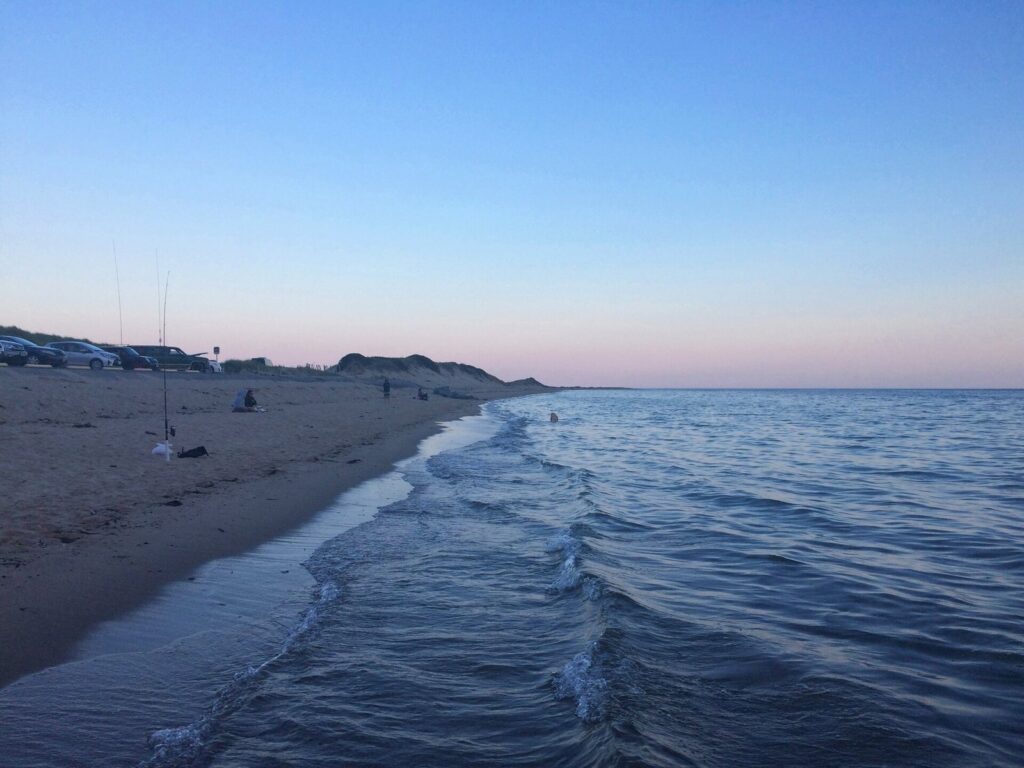
Surfcasting is the classic Cape Cod way to fish: a long rod, an ocean beach at first light and the hope of a striper in the wash. The Outer Cape’s Atlantic beaches are the famous spots, and at Herring Cove in Provincetown you’ll often see rods lined up along the shore at dusk. Fish early or late, when the beaches are empty and the fish are closer, stay well clear of swimmers at guarded beaches, and give any seals in the wash plenty of room.
Two places let anglers drive onto the sand with the right permit. The National Seashore’s Oversand Office at the Race Point Ranger Station issues over-sand vehicle permits and, on the 2026 schedule, was open from April 10 through November 15. Barnstable’s Sandy Neck has its own off-road beach and permit system. Both close sections for nesting birds, so read the current rules before you let the air out of your tires.
Fishing the Cape Cod Canal
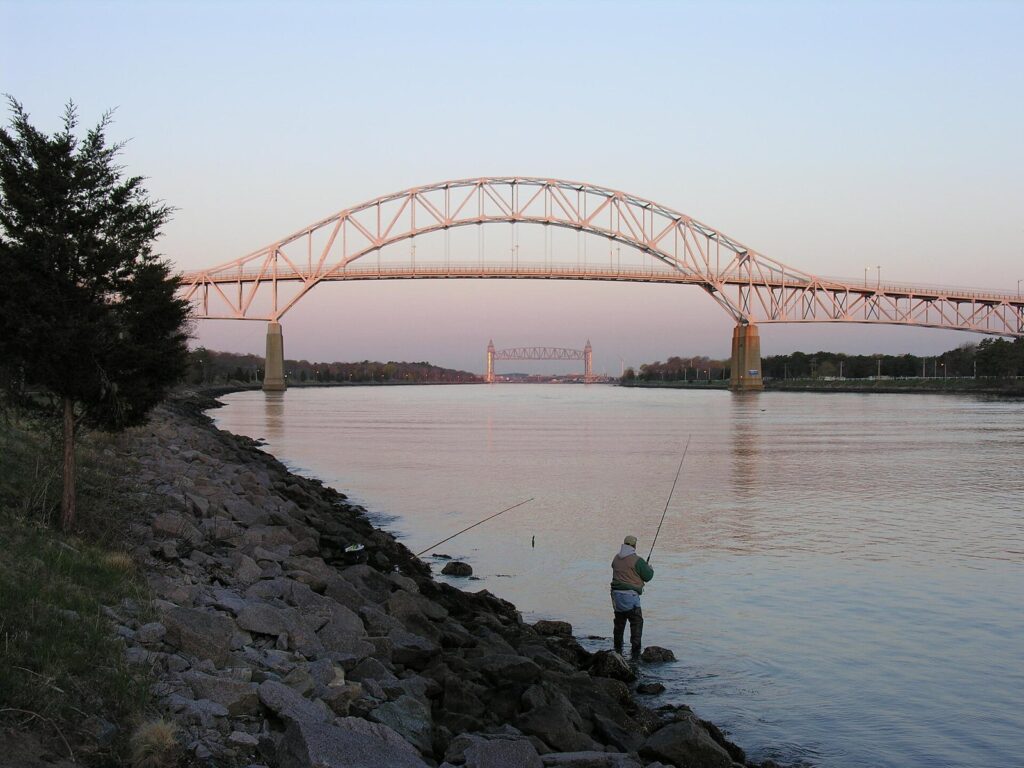
The canal is the Cape’s busiest shore-fishing spot. Its strong tidal currents carry bait and the fish that chase it past both banks, and the paved service roads, open for walking and cycling and marked every half mile, make it easy to move along the rocks to wherever the fish are. The access areas have parking and restrooms. Wear shoes with grip on the riprap, and never wade or swim: the current is strong enough to sweep away a strong swimmer.
Charters and party boats
If you want fish rather than practice, book a boat. The choice is between a private charter for your own group and a party boat, where you buy a spot on a bigger boat with strangers.
| Option | Where | Group size | Good for |
|---|---|---|---|
| Rock Harbor Charter Service | Rock Harbor, Orleans | Up to six per boat, on a fleet of 10 boats of 35 to 40 feet | Striped bass, bluefish, sharks and bluefin tuna in Cape Cod Bay |
| Helen H party boat | Hyannis Harbor | A 100-foot boat with shared spots | Trips from 6 hours up to 3 days offshore; spring porgy and black sea bass trips from $110 in 2026 |
| Helen H flounder trips | Barnstable Harbor, aboard the Starfish | Capped at 12 passengers | 6-hour flounder trips, April through October |
| Barnstable Harbor charters | Barnstable Harbor | Private groups | Operators in 2026 included Cape Cod Family Fishing Charters, Aquarius Sportfishing and Lady J Sportfishing |
Rock Harbor is shallow and tidal, so charter departures there follow the tide rather than the clock; ask when you book. Party boats are the budget choice and good for a first try with kids. A private charter costs more but puts the captain’s full attention on your group, which matters if you’re chasing something specific.
| Question | Party boat | Private charter |
|---|---|---|
| Cost | Lower per person; you pay for a spot | Higher; you pay for the whole boat |
| Who’s aboard | Strangers and families side by side | Only your group, usually up to six |
| What you fish for | What the boat is targeting that day | What you ask for, within the season |
| Comfort | Big boats ride more steadily and have more room | Smaller boats, more motion, more attention from the crew |
| Best for | First-timers, kids, budget trips | Keen anglers, groups, specific targets like tuna |
Catch and release, done right
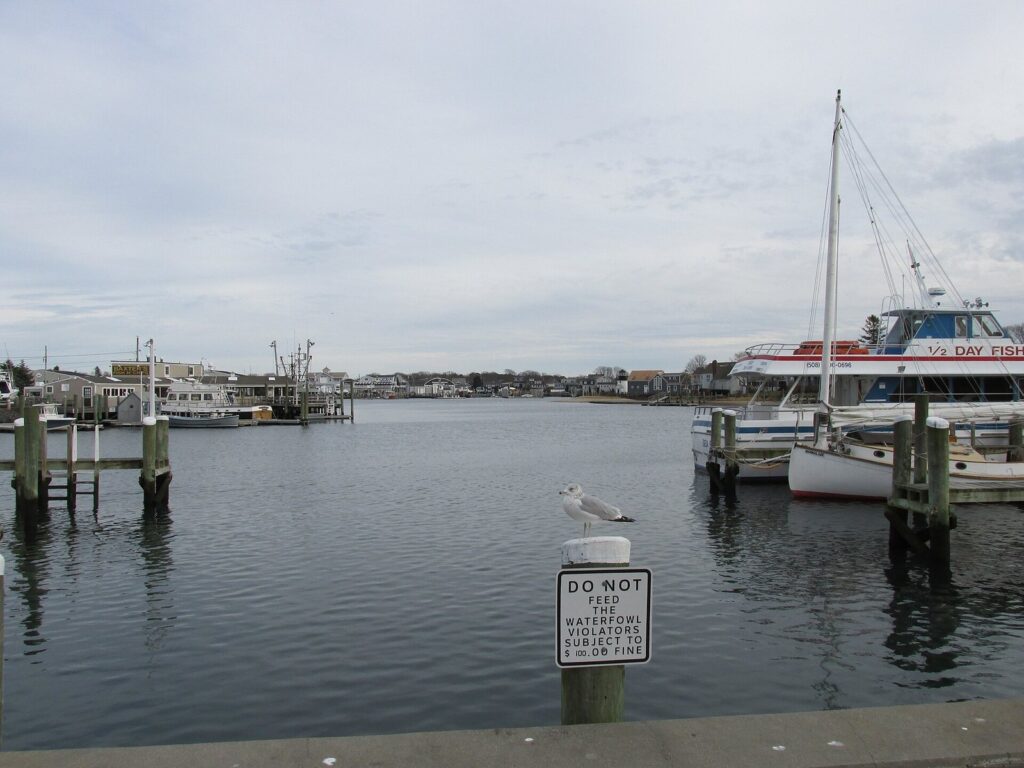
Most striped bass you catch will go back, because of the slot limit, so release them well. Wet your hands before you touch a fish, keep it in the water as much as you can, back the hook out quickly, and hold a tired fish upright facing the current until it swims off on its own. Circle hooks help when you’re fishing with bait, because they tend to hook the corner of the mouth rather than the gut. On a crowded jetty or canal bank, give other anglers room to cast, and take your line and bait bags home with you.
Freshwater fishing in the kettle ponds
The kettle ponds are the easy, family-friendly side of Cape fishing: no tides, no seasickness and fish that bite on simple tackle. Pickerel, perch and bass live in many ponds, and the state stocks trout in some of them; MassWildlife’s stocking reports list which. Nickerson State Park in Brewster has several ponds in one place, which makes it a good base. Anyone 15 or older needs a freshwater license.
How do you go shellfishing on Cape Cod?
Digging your own clams is one of the best free-ish things on the Cape, but it’s the most tightly regulated activity on this page. Each town issues its own recreational shellfish permits, and each town decides which flats are open on which days. Areas close for water quality, heavy rain, biotoxins such as red tide, and propagation work, sometimes overnight.
- Get the right permit. Buy it from the town where you’ll dig, at its shellfish or natural resources department. Nonresident permits cost more than resident ones, and some towns sell shorter or family permits.
- Check what’s open that day. Chatham, for example, posts open areas that change with conditions, and in June 2026 Orleans still had partial closures in Nauset Estuary, Pleasant Bay and Cape Cod Bay.
- Learn the local rules. Under Wellfleet’s 2026 rules, recreational digging was on Sundays and Wednesdays, with parking from two hours before to two hours after low tide; from June through September only the Indian Neck recreational area was open, and from October through May, Indian Neck and all of South Wellfleet were open seven days a week.
- Bring a gauge and a basket. Towns set minimum sizes and daily limits, and the shellfish officer checks both.
- Follow the tide. Dig on a falling tide around low water and leave the flats well before the water comes back.
Orleans family permits run from April 1 to March 31, which is typical of how towns set their permit years. If digging isn’t your thing, our Cape Cod food and drink guide covers where to eat clams and oysters someone else has dug.
Quahogs, steamers and how to dig them
Most recreational diggers are after two clams. Quahogs, the hard-shell clams, live just under the surface of sandy flats and shallows, and you rake for them, feeling for the scrape of a shell. Steamers, the soft-shell clams, live deeper in muddier sand and give themselves away with small holes that squirt when you step near them; you dig those by hand or with a short clam fork. Some towns also open areas for oysters or mussels. Measure as you go, return undersized shellfish to where you found them, and fill in your holes before you leave.
Where should you kayak and paddleboard on Cape Cod?
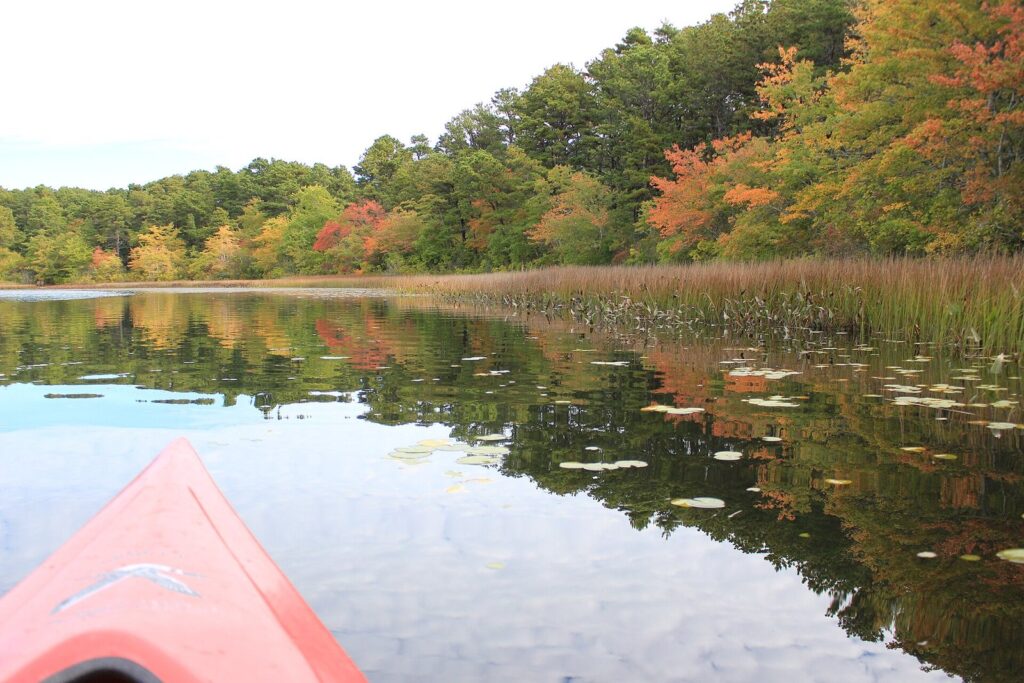
Paddling is the easiest way onto Cape water, and the best places are the sheltered ones: kettle ponds, marsh creeks at the right tide, and protected bays like Pleasant Bay, Town Cove in Orleans, Bass River and Waquoit Bay. Save the open Atlantic, the canal and the middle of Cape Cod Bay on a windy afternoon for people with serious skills and gear.
| Water | Level | Why go |
|---|---|---|
| Kettle ponds, such as those in Nickerson State Park | Beginner | Flat, clear and tide-free; perfect with kids |
| Town Cove and Pleasant Bay, Orleans and Chatham | Beginner to intermediate | Sheltered water, islands and seals at a distance |
| Bass River, Yarmouth and Dennis | Beginner to intermediate | A long, protected river with rentals right on it |
| Waquoit Bay, Falmouth and Mashpee | Intermediate | An estuary reserve with an island to paddle to |
| Nauset Marsh, Eastham | Intermediate, or with a guide | Marsh channels inside the National Seashore; tides matter |
Rentals and tours
You don’t need to bring a boat. In 2026, Goose Hummock Shops rented more than 100 kayaks and paddleboards on Town Cove in Orleans, walk-in or prebooked; Bass River Kayaks in West Dennis rented from May 23 to September 13 and delivers; RideAway Adventures rents kayaks, paddleboards and bikes; and Arey’s Pond Boat Yard rents kayaks and paddleboards on Pleasant Bay. For a guided trip through the marshes, Great Marsh Kayak Tours and Coyote Kayaks are listed as authorized kayak tour operators in the National Seashore.
Launching your own kayak or boat
Towns run the public landings and boat ramps, and the rules vary: some landings need a town parking sticker in summer, some limit how long you can leave a trailer, and some are small enough that a busy morning fills them. Look up the town’s harbormaster or natural resources page before you tow a boat across the bridge, and arrive early. If a landing is packed, a rental outfitter that launches you right from its own shore can be the easier answer.
Paddling rules and habits
- Children under 12 must wear a Coast Guard-approved life jacket, and everyone in a canoe or kayak must wear one from September 15 to May 15. Wear one all the time anyway.
- Check the tide and wind before you launch, and plan to come back with the tide.
- Give seals and nesting birds room; if they move because of you, you’re too close.
- Stay out of busy harbor channels and away from ferries and fishing boats.
Can you sail or rent a boat on Cape Cod?
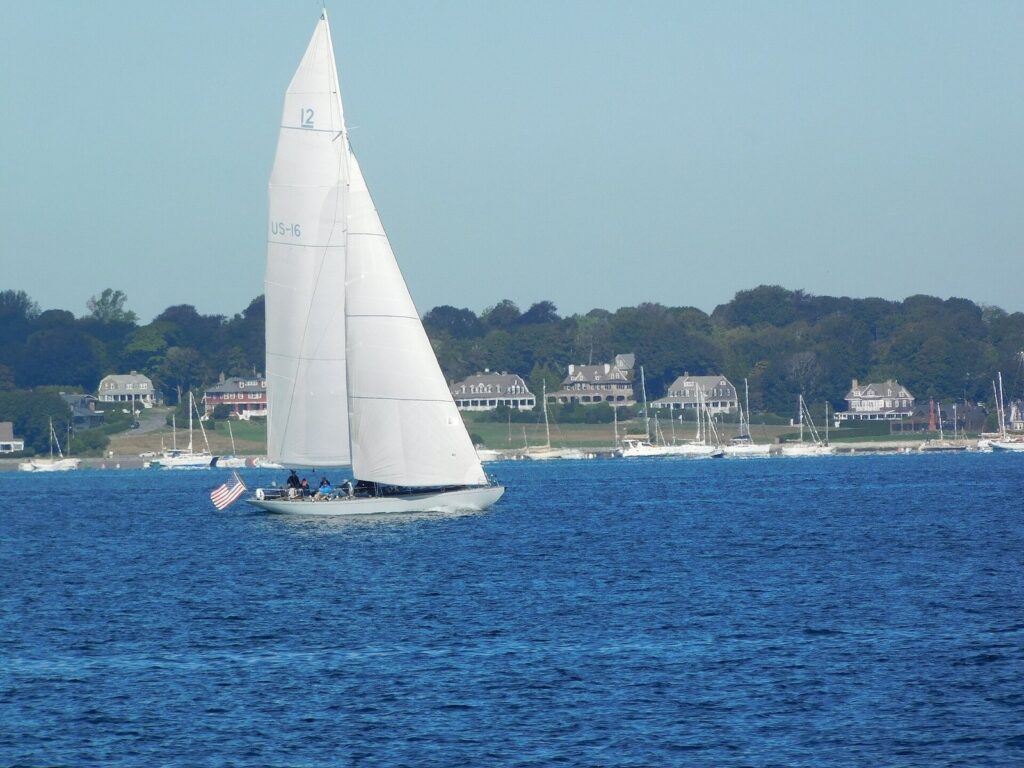
Yes, and some of the best small-boat sailing in New England is here, on warm, sheltered water with steady afternoon breezes. The classic place to learn is Arey’s Pond Boat Yard in South Orleans, which has taught sailing on Little Pleasant Bay since 1964, with private lessons for all ages and abilities on its 14-foot catboats. In 2026 it opened bookings in May and began lessons for all levels on June 9.
The new boater safety certificate
If you plan to rent or drive a motorboat, know the Hanson-Milone Boater Safety Act, signed in January 2025. From April 1, 2026, anyone born after January 1, 1989 needs a boater safety certificate to operate a motorboat in Massachusetts, and everyone else needs one by April 1, 2028. The Environmental Police said they wouldn’t issue certificate penalties before September 1, 2026, but that grace period is over. Ask the rental company how the rule applies to you before you book, and take the course before your trip if you need it.
Local knowledge
Cape waters punish guesswork. Sandbars move, especially around Chatham, channels shift after storms, and a harbor that’s deep at noon can be a mudflat by dinner. Use an up-to-date chart, ask the rental company or harbormaster about local hazards, and don’t follow another boat on the assumption that it knows where the channel is.
Where can you surf, windsurf and kitesurf?
The Outer Cape’s Atlantic beaches catch the swell, and they’re where Cape Cod surfing happens, from Nauset and Coast Guard beaches north through Wellfleet and Truro. Summer waves are often small, which suits beginners and longboards, and the bigger days tend to come with fall storms. The water is cold, so most surfers wear wetsuits well into summer.
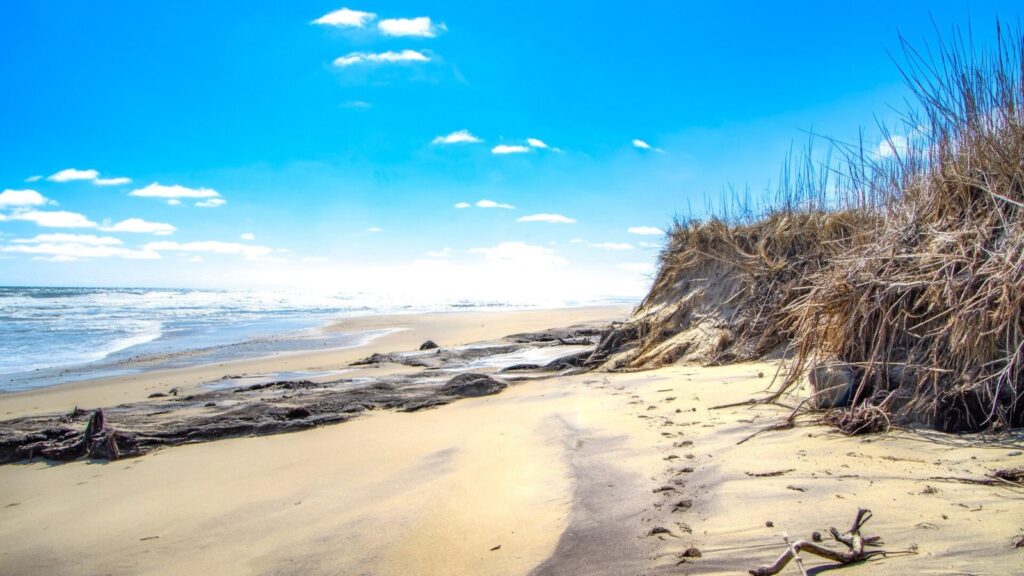
Lessons make the first day much easier and safer. Nauset Surf Shop in Orleans, founded in 1965 and billed as the Cape’s oldest continuously operating surf shop, runs guided lessons at National Seashore beaches with local instructors, and Fun Seekers in Wellfleet teaches surfing, kitesurfing, windsurfing and paddleboarding. Parking can decide where you go: Wellfleet, for instance, sells nonresident day parking only at White Crest and Cahoon Hollow.
Three things matter more on the ocean side than anywhere else. Follow the lifeguards, who keep surfers and swimmers apart. Check the Sharktivity app and the beach flags, because white sharks are most numerous from about August through October, when the surf is often best. And never surf alone.
Windsurfers and kitesurfers want the opposite of surfers: flat water and steady wind, which the sounds and sheltered bays provide on many summer afternoons. Take a lesson before you go out alone, and pick a launch spot away from swimmers.
What are the most important water safety rules on Cape Cod?
| Hazard | Where | What to do |
|---|---|---|
| Rip currents | Ocean beaches | Swim parallel to shore to get out of one, or float and signal for help |
| Cold water | The Atlantic side, and everywhere in spring and fall | Wear a life jacket and dress for the water temperature |
| Tides and currents | Bay flats, marsh channels, harbor mouths, the canal | Check the tide table; leave the flats early; never swim in the canal |
| White sharks | Ocean beaches, especially near seals | Watch for purple flags, stay away from seals and schools of fish, use Sharktivity |
| Wind and fog | Open bays and sounds | Check the marine forecast; get off the water early |
| Sand cliffs | Outer Cape beaches | Don’t climb or dig into them; they collapse |
The National Seashore’s advice holds everywhere: never swim alone, never turn your back to the ocean, and watch for rip currents, shore break and undertow. Add a few boating basics: wear the life jacket instead of storing it, don’t drink and drive a boat, and carry a phone in a waterproof case. Barnstable County also samples more than 350 bathing beaches weekly in summer, and results are posted online, which is worth a look after heavy rain.
What to bring for a day on the water
- A life jacket that fits, worn rather than stowed
- A tide chart and the day’s marine forecast
- A phone in a waterproof case, and a whistle
- Water, snacks and more sunscreen than you think you need
- A warm, windproof layer, even in August
- A dry bag for your wallet and the car keys you can’t afford to lose
- Your permits: saltwater, freshwater or shellfish, as the day requires
When is the best time for fishing and water sports on Cape Cod?
| Season | Fishing | Paddling and sailing | Surfing |
|---|---|---|---|
| April and May | The season starts; charters and party boats begin | Cold water; life jackets required for paddlers until May 15 | Cold and quiet; full wetsuits |
| June to August | Striped bass and bluefish; the busiest charter season | Warmest water, steady afternoon breezes, full rentals | Small summer waves, good for learning |
| September and October | The fall run, a favorite for surfcasters | Quieter water; life jackets required again from September 15 | Often the best swell of the year |
| November to March | Mostly finished for visitors | For experienced, well-equipped paddlers only | For hardy locals in thick wetsuits |
For the whole-trip view of the seasons, see our guide to the best time to visit Cape Cod. If you’d rather watch the water than work on it, our guide to whale watching and wildlife on Cape Cod covers whale watches and seal cruises, and our guide to Cape Cod’s parks and nature areas covers the ponds and estuary reserves.
How do you plan a water day with kids?
Start calm and short. A kettle pond with a rented kayak, a morning on a party boat, or a low-tide clamming session gives kids a real experience without big waves or long rides. Put everyone under 12 in a well-fitted life jacket, pack more snacks and water than seems reasonable, and plan the day around the tide. Our Cape Cod family vacation guide has more ideas by age, our guide to where to stay on Cape Cod helps you pick a base near the water you want, and our Cape Cod itineraries fold a water day into a longer trip.
Cape Cod Fishing, Boating and Water Sports FAQ
Do you need a fishing license on Cape Cod?
For saltwater fishing, anyone 16 or older needs a Massachusetts recreational saltwater fishing permit; it’s free at 60 and older, but you still have to get one. For the kettle ponds, anyone 15 or older needs a freshwater license, which in 2026 cost $40 for residents and $50 for nonresidents, plus a $5 stamp on the first purchase.
What is the striped bass limit in Massachusetts?
Recreational anglers may keep one striped bass per person per day, and it must be at least 28 inches and less than 31 inches long. Everything outside that slot goes back. Limits change, so check the state’s current recreational saltwater regulations before your trip, and handle released fish gently.
Can you go clamming on Cape Cod without a permit?
No. Every town requires its own recreational shellfish permit, sold by its shellfish or natural resources department, and you can only dig in areas that are open on the day you go. Closures for water quality, rain or red tide can happen overnight, so check the town’s list before you head to the flats.
Do you need a boating license in Massachusetts?
Under the Hanson-Milone Boater Safety Act, anyone born after January 1, 1989 has needed a boater safety certificate to operate a motorboat since April 1, 2026, and everyone else will need one by April 1, 2028. Ask a rental company how the rule applies to renters before you book.
Where can beginners kayak on Cape Cod?
Kettle ponds, such as those in Nickerson State Park, are the easiest: flat water and no tides. Next come sheltered salt water like Town Cove in Orleans, Pleasant Bay and Bass River, where rentals sit right on the water. Avoid the ocean beaches and open bays on windy afternoons, and wear a life jacket.
Where is the best surfing on Cape Cod?
On the Outer Cape’s Atlantic beaches, from Nauset and Coast Guard beaches in Orleans and Eastham north through Wellfleet and Truro. Summer waves are usually small and good for learning, and fall often brings the best swell. Take a lesson first, follow the lifeguards, and keep an eye out for seals.
Is it safe to swim or paddle in the Cape Cod Canal?
No. The canal’s tidal currents are strong enough to sweep away a strong swimmer, and it carries commercial traffic. Enjoy it from the banks instead: its paved service roads are open for walking, running and cycling, and its rocky edges are one of the Cape’s most popular places to fish.
Are there fishing trips for families on Cape Cod?
Yes. Party boats such as the Helen H out of Hyannis are the budget-friendly way to start, and in 2026 Cape Cod Family Fishing Charters was among the charters working from Barnstable Harbor. For young kids, a few hours on a kettle pond with simple tackle is often the better first day.
Related Cape Cod Guides
- Best Beaches in Cape Cod: bay, sound and ocean beaches and the water on each side
- Cape Cod Whale Watching and Wildlife: whale watches, seal cruises and wildlife rules
- Cape Cod Parks and Nature: kettle ponds, estuaries and where to camp near the water
- Cape Cod National Seashore: ocean beaches, over-sand permits and safety
- Cape Cod Family Vacations: water days, beaches and plans for kids
- Cape Cod Food and Drink Guide: clams, oysters and where to eat the catch
Sources and verification
Permits, limits, boating rules, schedules and operator details were checked on September 23, 2026 against the agencies, towns and operators listed below. This guide is compiled from those sources and does not claim first-hand visits.
- Massachusetts Division of Marine Fisheries: recreational saltwater fishing regulations
- Massachusetts: who needs a recreational saltwater fishing permit
- MassWildlife: license types and fees
- Massachusetts Environmental Police: Hanson-Milone Boater Safety Act
- Massachusetts boating law summary
- National Park Service: beach safety at Cape Cod National Seashore
- National Park Service: over-sand vehicle permits
- National Park Service: authorized services
- NOAA Stellwagen Bank National Marine Sanctuary: boating
- NOAA tides and currents
- National Weather Service Boston/Norton: marine forecasts
- Town of Chatham: Shellfish Division
- Town of Orleans: recreational shellfish permits
- Town of Wellfleet: Shellfish Department
- Barnstable County: beach water quality
- Rock Harbor Charter Service
- Helen H: 2026 schedule
- Arey’s Pond Boat Yard: sailing lessons
- Goose Hummock Shops: kayaking
- Nauset Surf Shop: surf lessons
- U.S. Army Corps of Engineers: Cape Cod Canal recreation
Cape Cod Tourism Guide is an independent publication, not affiliated with the Cape Cod Chamber of Commerce, the National Park Service or any business named here.
Photo credits
- Fishing the Cape Cod Canal: photo by Kevin Burke, Wikimedia Commons (public domain)
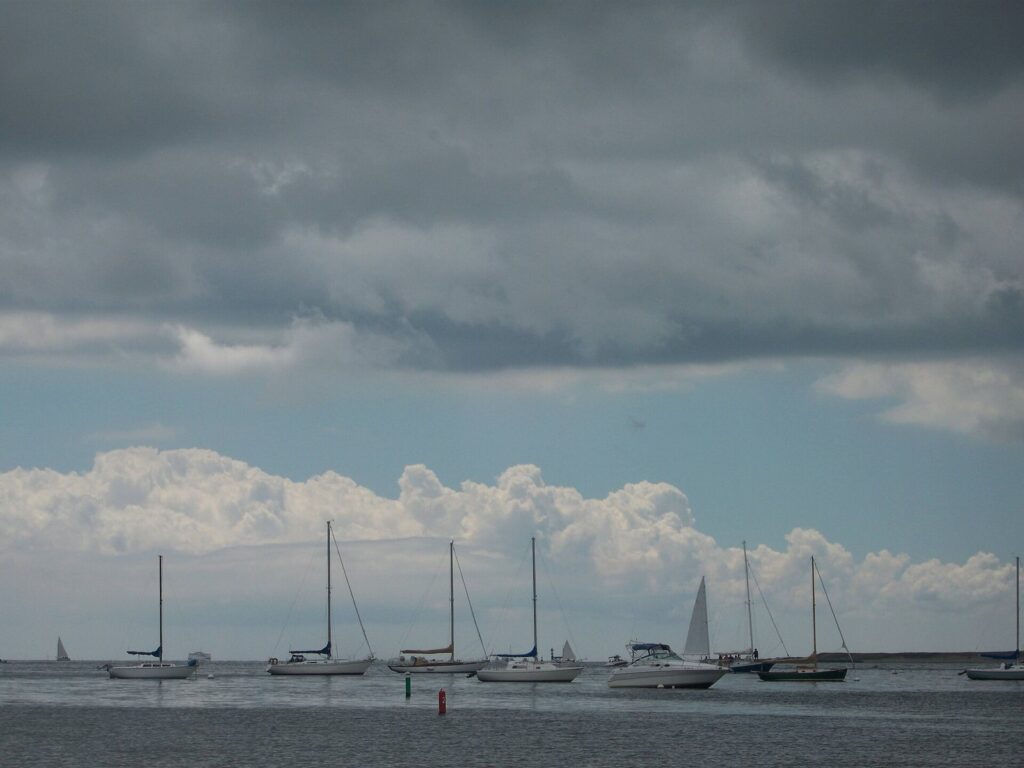
- Lewis Bay moorings, Hyannis: photo by EgorovaSvetlana, Wikimedia Commons (CC BY-SA 4.0)
- Herring Cove Beach at dusk: photo by Andre Carrotflower, Wikimedia Commons (CC BY-SA 4.0)
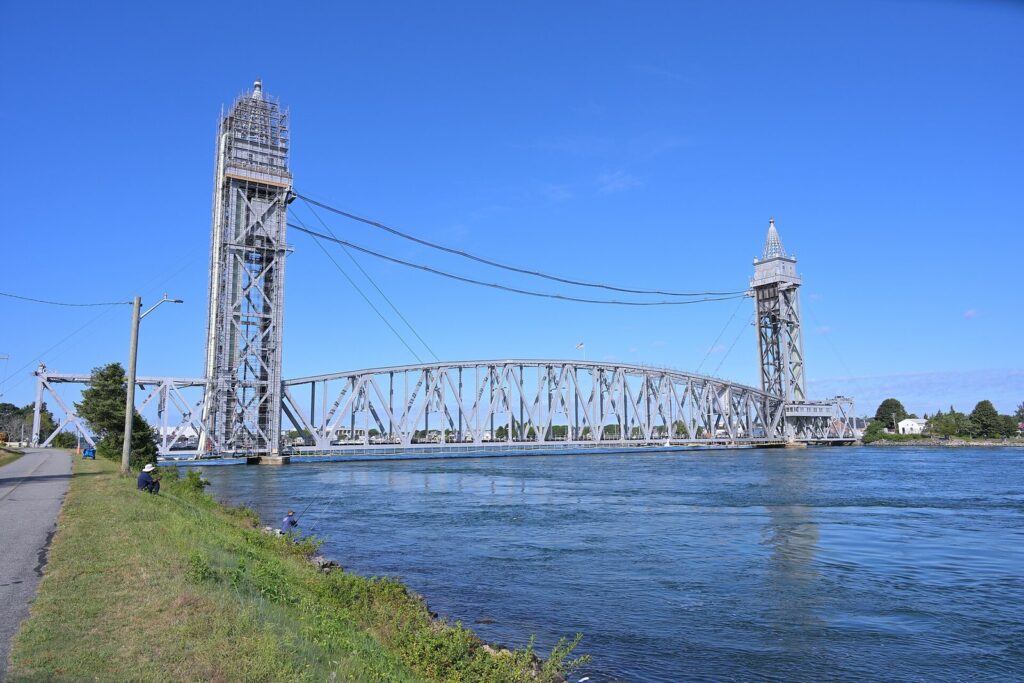
- Cape Cod Canal Railroad Bridge: photo by 4300streetcar, Wikimedia Commons (CC BY 4.0)
- Hyannis Inner Harbor: photo by John Phelan, Wikimedia Commons (CC BY-SA 3.0)
- Kayaking a Cape pond: photo by NPS, Wikimedia Commons (public domain)
- Sailing off Hyannis Port: photo by AK-Bino, Wikimedia Commons (CC BY-SA 4.0)
- Coast Guard Beach surf: photo by Dennis Weeks, Wikimedia Commons (CC BY 4.0)