An accessible Cape Cod vacation is more doable than the Cape’s sand and old buildings suggest, as long as you plan around a few specific places. The National Seashore lays mats over the sand at three beaches and keeps beach wheelchairs at most of its fee beaches; several towns lend beach wheelchairs, some for free; the regional buses are fare-free and lift-equipped; most Steamship Authority ferries have elevators; and there are paved trails, accessible yurts and even a fully accessible vacation home. Seniors add free buses and a $20 annual park pass to the list.
This page is for wheelchair users, travelers with limited mobility, older visitors, and families traveling with someone who needs sensory or physical accommodations. The caveat that matters: accessibility here is feature by feature, not town by town, and much of it is seasonal, so reserve equipment ahead and confirm the specific feature you need (a mat, a ramp, a roll-in shower) before you rely on it. Details were checked September 23, 2026 against the National Park Service, the state, the towns and the operators.
On this page: Accessibility at a glance · Beaches · When equipment is available · Paved trails and outdoor places · Buses and ferries · Places to stay · Eating out · Attractions · Sensory needs · Senior travel · Sample days · FAQ
Cape Cod accessibility at a glance
| Need | Where to find it | How to arrange it |
|---|---|---|
| Mats over the sand | Seashore: Coast Guard, Race Point and Herring Cove beaches in season; South Cape Beach State Park; Nickerson State Park’s Cliff Pond Beach | No booking; seasonal |
| Beach wheelchairs | Seashore fee beaches except Marconi; state beaches with staffed waterfronts; Brewster, Falmouth, Sandwich and Dennis town programs | Ask the lifeguard, or reserve ahead where the town requires it |
| Accessible restrooms and showers | Seashore: accessible restrooms and changing at Coast Guard and Herring Cove, and wheelchair-accessible showers at Herring Cove | Summer season |
| Paved trails | Doane loop and Marconi Station Site (Seashore); Cape Cod Rail Trail; canal service roads; Shining Sea Bikeway | Year-round |
| Features for visitors with low vision | Buttonbush Trail, Eastham: a 0.3-mile loop with Braille features | Year-round |
| Buses | CCRTA: fare-free fixed routes on lift- and ramp-equipped buses; ADA paratransit and DART | Call 508-775-8504 or TTY 800-439-0183 |
| Ferries | Steamship Authority: five vessels fully accessible by elevator; accessible parking at every terminal | Contact the Authority to arrange drop-off |
| Camping | Nickerson State Park: three large and four small accessible yurts in Area 4 | Book on ReserveAmerica with the accessibility filter |
| Park passes | Senior pass ($20 a year or $80 for life) and free Access Pass | Sold at Seashore beach fee booths when open |
| Fully accessible vacation home | SMILE Mass’s house in Wellfleet, for families with a member with a disability | Apply through the nonprofit |
Which Cape Cod beaches are the most accessible?
Sand is the obstacle, so the beaches that matter are the ones with mats, beach wheelchairs, close parking and accessible facilities. The Cape has three landlords for beaches, and each handles access differently.
National Seashore beaches
The Seashore publishes the clearest accessibility details. In summer all six of its beaches have restrooms or vault toilets, outdoor showers, drinking fountains or bottle-filling stations and changing rooms, but the level of access varies a lot from beach to beach.
| Beach | Mats | Beach wheelchair | Facilities and parking |
|---|---|---|---|
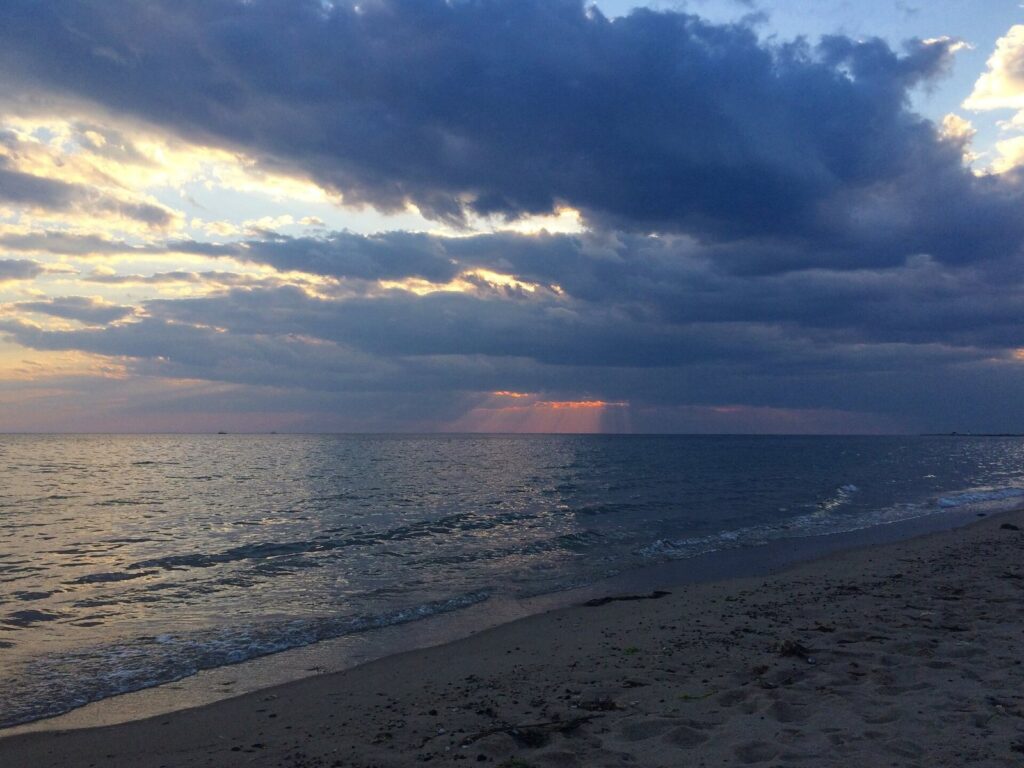
| Herring Cove, Provincetown | Yes, in season | Yes | Accessible restrooms and changing, and wheelchair-accessible showers |
| Race Point, Provincetown | Yes, in season | Yes | Standard summer facilities |
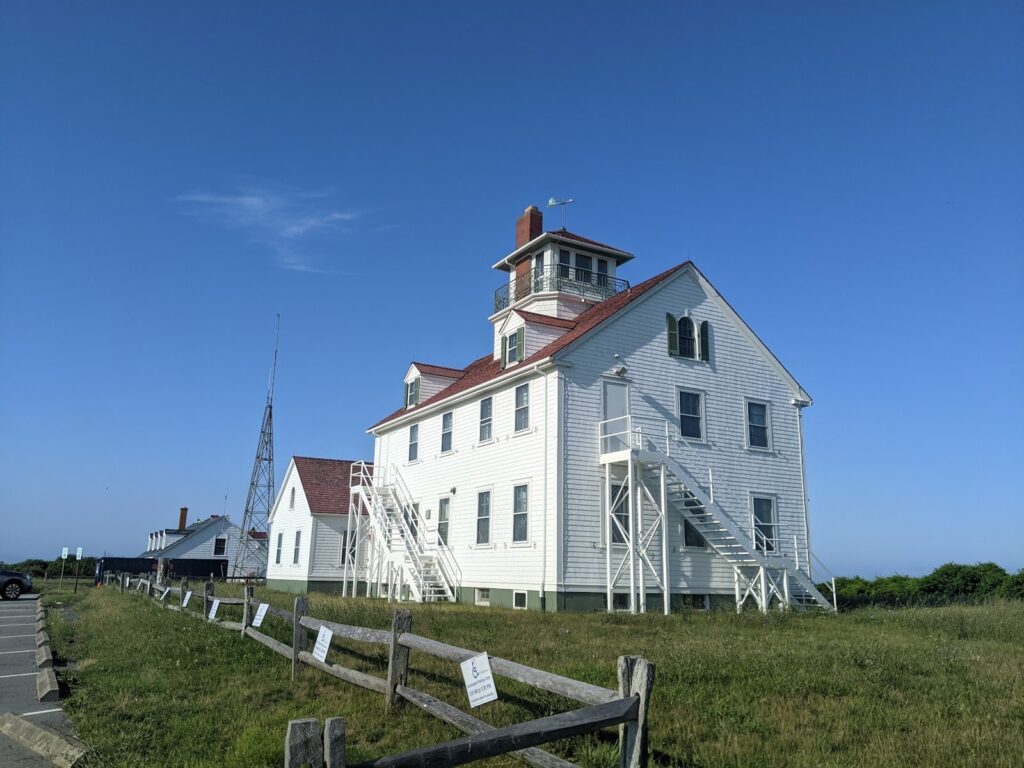
| Coast Guard, Eastham | Yes, in season | Yes | Accessible restrooms and changing; no drop-off, and parking is at satellite lots with a shuttle or tram |
| Nauset Light, Eastham | No | Yes | No drop-off, fills early, 20-foot vehicle limit and a path with an 11 percent grade |
| Head of the Meadow, Truro | No | Yes | Standard summer facilities |
| Marconi, Wellfleet | No | No | A large lot, but no beach wheelchair |
Verdict: Herring Cove is the most accessible beach on the Outer Cape, with mats, a beach wheelchair, accessible restrooms and changing, and accessible showers in one place, and its water is calmer than the ocean-facing beaches farther east. Think twice about Nauset Light with a wheelchair: there’s no drop-off and the path from the lot is steep. Our Cape Cod National Seashore guide covers the beaches in more detail.
Town beaches
Town programs vary, and some need a phone call a day ahead. These are the ones the towns post:
- Brewster keeps free beach wheelchairs at Long Pond, Breakwater Beach, First Light Beach and Paine’s Creek. At Long Pond, ask the lifeguard; for the others, call 508-896-4546 on weekdays or 508-240-4946 on weekends.
- Falmouth asks you to reserve a beach wheelchair by calling 508-548-8623 at least one day ahead.
- Sandwich takes advance reservations for beach wheelchairs through its Recreation Department at 508-888-4361.
- Dennis runs a surf chair and Mobi-chair rental program for beach access.
For other towns, call the recreation or beach department before you go. On the calm bay and sound sides, the water is gentler than on the ocean beaches, which matters as much as the equipment. Our guide to Cape Cod’s beaches compares the coasts.
State beaches
The state Department of Conservation and Recreation runs a Universal Access Program with 4,700 feet of beach mats at 26 beaches and 108 beach wheelchairs at 47 locations across Massachusetts, available when weather allows and the waterfront is staffed, typically from Memorial Day to Labor Day. On the Cape, South Cape Beach State Park in Mashpee has a boardwalk to a viewing platform, beach mats and beach wheelchairs, and Nickerson State Park’s Cliff Pond Beach has a beach mat or beach wheelchair.
Tips for beach wheelchairs
- Reserve early in July and August, and confirm the day before.
- Most chairs are available only when lifeguards or staff are on duty, so arrive mid-morning rather than at dawn.
- Bring a companion to push: beach wheelchairs aren’t self-propelled on soft sand.
- Ask whether the chair floats. Floating models like the Mobi-Chair let you get into the water; others are for the sand only.
- Check the tide: at low tide on the bay, the water can be a long way out across wet sand.
Getting into the water
A mat gets you across the sand; getting into the water takes a different kind of chair. Floating beach wheelchairs, such as the Mobi-Chair, let you roll into the shallows and float with a companion alongside, while standard beach wheelchairs are for the sand only, so ask which kind the beach has when you reserve. Calm water makes all the difference: Cape Cod Bay and Nantucket Sound beaches and freshwater spots like Cliff Pond at Nickerson State Park are far easier than the surf on the ocean side. SMILE Mass also lends beach wheelchairs and other adaptive equipment, which helps if your beach has none.
When is accessibility equipment available?
Most beach equipment follows the lifeguard season, so the same beach can be fully equipped in July and bare in October.
| Season | What’s available | Good to know |
|---|---|---|
| Memorial Day to late June | State beach wheelchairs and mats start as waterfronts are staffed; town programs begin | Seashore lifeguards start in late June; call ahead early in the season |
| Late June to Labor Day | Everything: Seashore mats and wheelchairs, town chairs, state chairs, accessible showers at Herring Cove | Reserve town chairs a day or more ahead; arrive mid-morning |
| After Labor Day | Paved trails, visitor centers, buses and ferries; beach equipment becomes hit or miss | Many beach programs end with the lifeguard season |
| Winter | Paved trails, Salt Pond Visitor Center, year-round buses and ferries | Quiet and easy to navigate, but little beach equipment |
The Provincetown shuttle runs from Memorial Day to Columbus Day, and the Steamship Authority’s ferries run year-round, so the car-free options thin out after mid-October but don’t disappear.
Where can you enjoy paved trails and nature on wheels?
Much of the Cape’s nature is sand or boardwalk, but a surprising amount is paved and flat.
| Place | Surface | Length | Good to know |
|---|---|---|---|
| Doane loop, Eastham (Seashore) | Paved | 0.6-mile loop | Pine and oak woods near Coast Guard Beach |
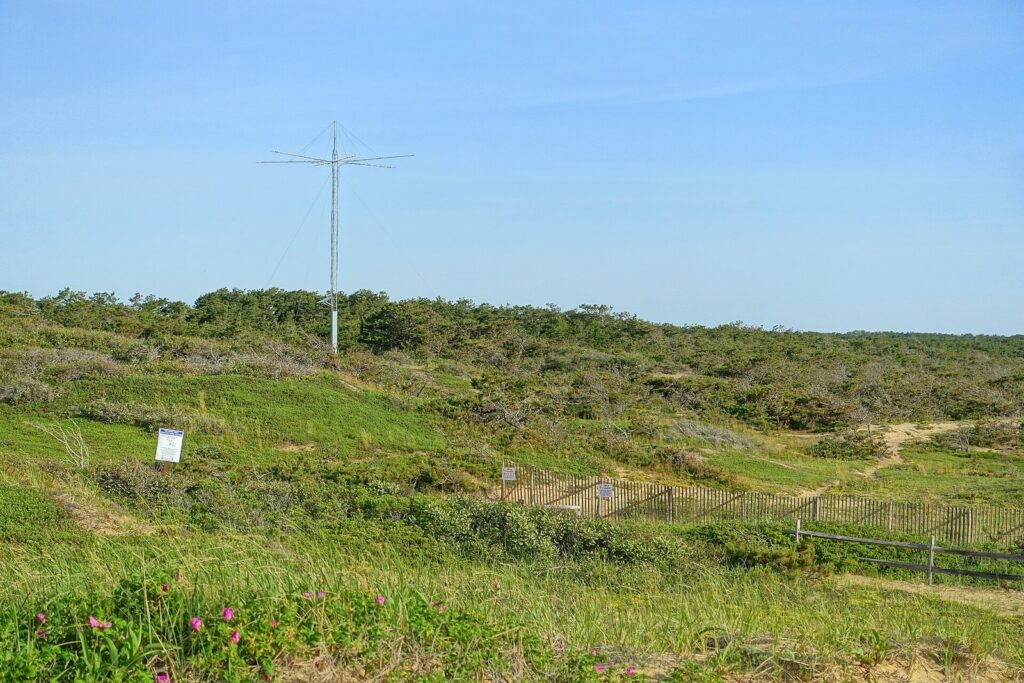
| Marconi Station Site, Wellfleet (Seashore) | Paved | Short | Where the first U.S. transatlantic wireless message went out in 1903 |
| Buttonbush Trail, Eastham (Seashore) | Boardwalk sections | 0.3-mile loop | Braille features for visitors with low vision |
| Wellfleet Bay Wildlife Sanctuary (Mass Audubon) | The All Persons Trail | Short | Built for full accessibility |
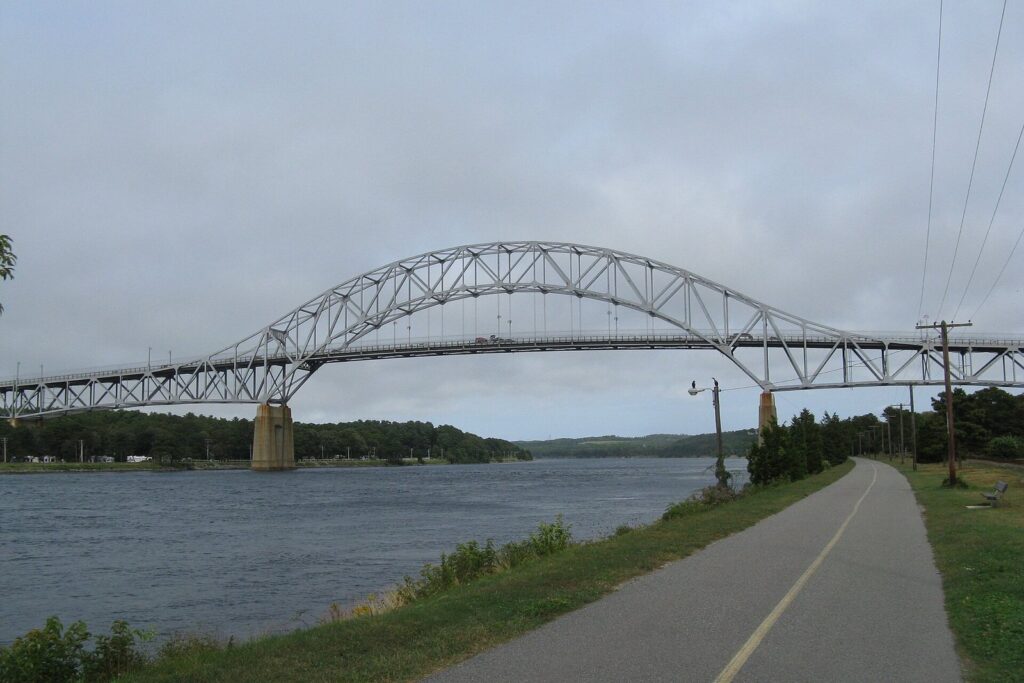
| Cape Cod Canal service roads | Paved, flat | About 13.5 miles over the two banks | Access areas with parking and restrooms |
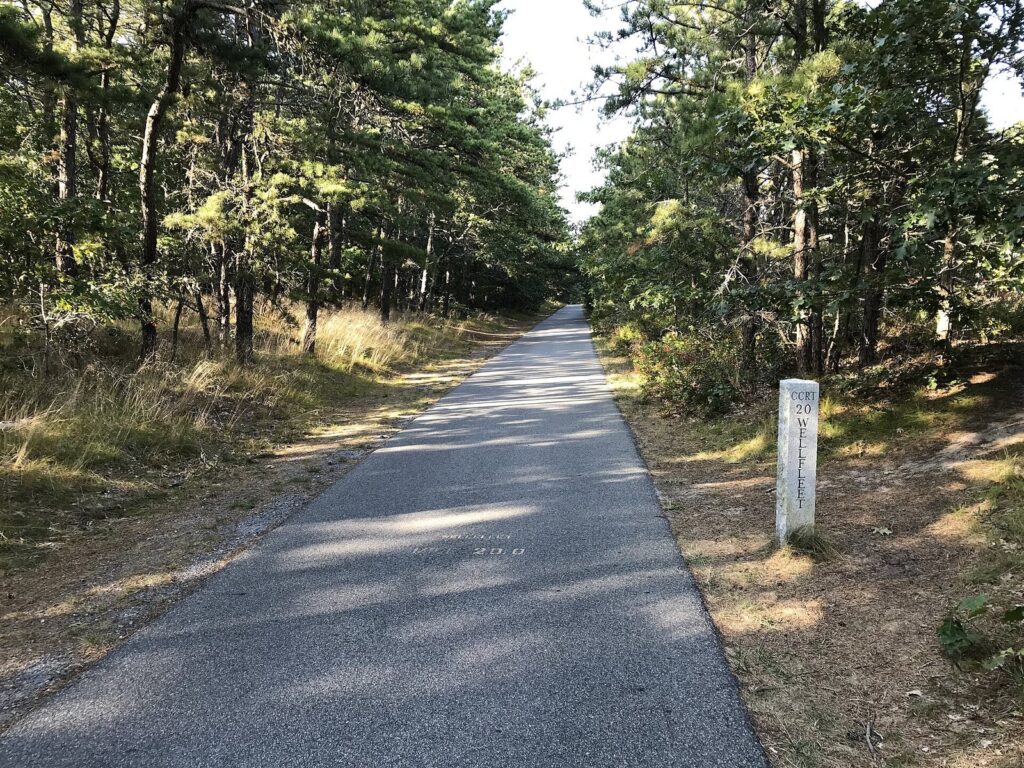
| Cape Cod Rail Trail | Paved | About 25 miles | Mostly level; many trailheads |
| Shining Sea Bikeway, Falmouth | Paved | 10.7 miles | Flat, with water views near Woods Hole |
| South Cape Beach State Park, Mashpee | Boardwalk | Short | Leads to a viewing platform |
On the shared paths, weekday mornings are calmest, and the canal is the easiest of all: dead flat, wide, and with parking and restrooms at its access areas. Our guide to Cape Cod’s biking and hiking trails has trailheads and route details, and our guide to Cape Cod’s parks and nature areas covers the sanctuaries and refuges.
Visitor centers
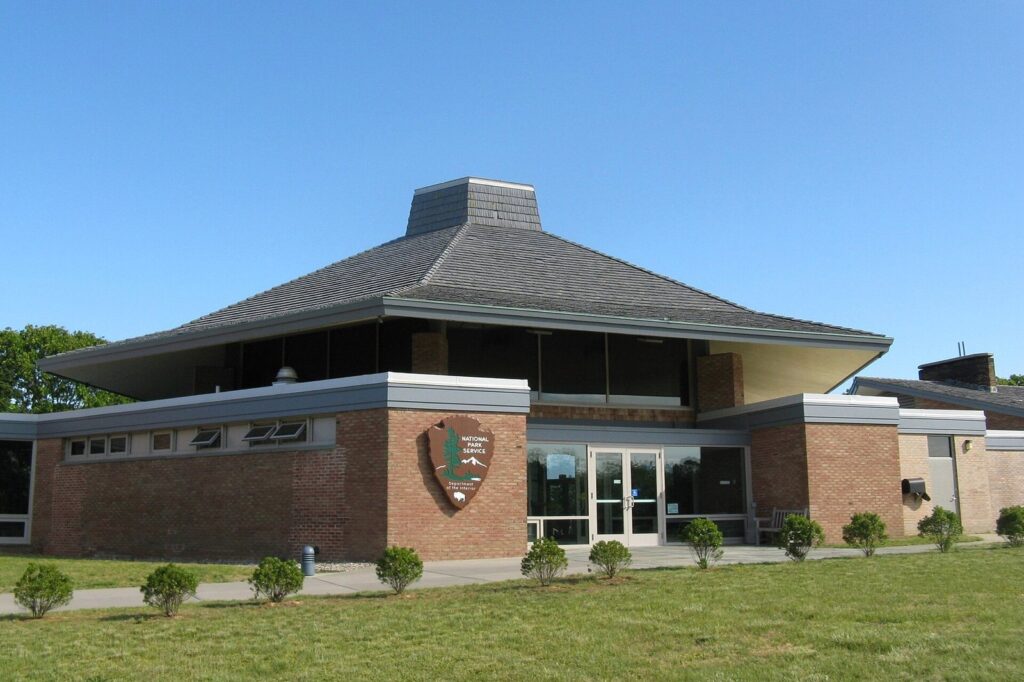
Salt Pond Visitor Center in Eastham is the Seashore’s year-round starting point, open daily from 9 a.m. to 4:30 p.m. (5 p.m. in summer), and the Doane loop and the Buttonbush Trail are close by. Rangers there can tell you which beaches have mats and wheelchairs that day, which is the kind of detail that changes with the weather.
Power chairs and scooters
Paved paths and mats work well for power chairs and scooters, but soft sand stops them, and a stalled chair on a beach is a hard problem to solve. Use the mats or swap to a beach wheelchair at the edge of the sand. On the longer paved routes, like the Rail Trail or the canal, plan the distance around your battery, since there are long stretches between parking areas. Charge overnight, and ask your lodging about an outlet near a step-free entrance.
Can you get around Cape Cod without driving?
CCRTA buses
The Cape Cod Regional Transit Authority runs ADA-compliant buses with chair lifts and ramps, and every fixed route is fare-free. It also offers ADA paratransit, DART and SmartDART demand-response service for trips the fixed routes don’t cover, plus travel training for anyone new to the buses. Call 508-775-8504 (toll-free 800-352-7155, TTY 800-439-0183) to ask about eligibility, booking and the areas each service covers. In summer, the Provincetown shuttle runs every 20 minutes between the town, Herring Cove and the Province Lands.
Ferries to the islands
Five Steamship Authority vessels are fully accessible by elevator, three are partly accessible and two have limited access, and accessible parking is reserved at every terminal. Contact the Authority ahead of time to arrange a drop-off or other help, and allow extra time for the parking shuttles. Private ferry lines set their own policies, so ask when you book. Our guide to Martha’s Vineyard and Nantucket from Cape Cod covers the routes, and our guide to getting to and around Cape Cod covers the rest of the transit network.
Driving and parking
Most visitors still drive, and the car is often the easiest way to get close to the sand. Bring your accessible parking placard, check each beach’s parking notes before you go, and remember the Seashore’s catches: Coast Guard Beach has no drop-off and uses satellite parking, and Nauset Light fills early.
Disability parking placards from other states are honored in Massachusetts, so bring yours from home and display it as you would there. Arrive early at the Seashore beaches in summer, when accessible spaces near the boardwalks fill by mid-morning on the busiest days.
How do you find an accessible place to stay?
This is where most accessible trips succeed or fail, because “accessible” means different things to different lodgings. Ask for specifics, and ask for photos or measurements when it matters.
| Ask about | Why it matters |
|---|---|
| Step-free entry and the route from parking to the room | Many older buildings have steps at the door or between rooms |
| Door widths and turning space | Historic inns often have narrow halls and doorways |
| A roll-in shower, grab bars and a shower seat | “Accessible bathroom” can mean just grab bars |
| Bed height and space beside the bed | Important for transfers and lifts |
| A ground-floor room or an elevator | Many small inns have neither |
| Distance to the beach and whether it’s paved | A “short walk to the beach” may be over sand or steps |
Newer hotels and larger resorts are more likely to have fully accessible rooms than historic inns, and vacation rentals vary widely even when a listing says “accessible.” Traditional Cape rentals also run Saturday to Saturday, which limits flexibility. Our guide to where to stay on Cape Cod compares lodging types and towns.
SMILE Mass’s accessible beach house
For families with a member with a disability, the Sudbury-based nonprofit SMILE Mass runs a fully accessible vacation home on Ocean View Drive in Wellfleet, bought in November 2024 and renovated with ramps, a Hoyer lift, adjustable beds, adaptive equipment and beach wheelchairs. Since its first accessible home opened in Truro in 2018, more than 300 families have stayed, and the group also lends beach wheelchairs and other adaptive equipment. Check its site for eligibility and booking.
Accessible camping
The state offers accessible camping at 19 DCR facilities, and Nickerson State Park in Brewster has three large and four small accessible yurts in its Area 4. On ReserveAmerica’s DCR site, check the accessibility needs box to see accessible sites only.

What about restaurants?
Cape dining ranges from new, level-entry restaurants to clam shacks where the seating is a picnic table on gravel or sand, so ask before you go. Call ahead and ask about a step-free entrance, an accessible restroom and a table that isn’t up a flight of stairs; many waterfront restaurants have upper decks, and not all have elevators. Outdoor seating is common in summer and can be easier than a crowded dining room, and eating a little earlier than the dinner rush makes everything calmer. Our Cape Cod food and drink guide covers where to eat.
Which attractions work for limited mobility, and which don’t?
Be realistic about the Cape’s icons: lighthouses and towers are climbs. The Pilgrim Monument in Provincetown is 116 steps and 60 ramps to the top, and Highland Light’s tower tours require climbers to be at least 48 inches tall and able to manage the stairs. Many small museums are in old houses with steps and narrow rooms, so call ahead and ask specifically about entrances, restrooms and the number of floors you’d need to reach.
Better bets for limited mobility include the Seashore’s visitor centers and paved trails, drives along Route 6A and the Outer Cape with scenic stops, harbor-side lunches, and the island ferries with elevators. On whale watches and seal cruises, ask the operator about boarding ramps, accessible decks and restrooms before you book; the Steamship Authority’s accessibility details don’t apply to the private boats. Our guide to Cape Cod’s museums, history, arts and shopping lists the major museums, and our guide to whale watching and wildlife on Cape Cod covers the boats.
Scenic drives with views from the car
Some of the Cape’s best views need no walking at all. Route 6A between Sandwich and Orleans passes salt marshes, cranberry bogs and old villages with places to pull over. On the Outer Cape, the Fort Hill area in Eastham looks out over Nauset Marsh, and at the tip of the Cape, the road through the Province Lands leads to Race Point and Herring Cove, where you can watch the sunset from the parking area. In Chatham, the overlook across from Chatham Light gives you the lighthouse and the harbor from beside the car.
Questions to ask a boat or tour operator
- Is there a ramp or lift for boarding, and how steep is it at low tide? At floating docks, the gangway angle changes with the tide.
- Which decks can a wheelchair reach, and is there an accessible restroom on board?
- Can a companion travel at a reduced fare or free?
- What happens if the weather turns and the boarding conditions change?
How do you plan for sensory needs?
The Cape can be loud and crowded in high summer and wonderfully quiet the rest of the year, so timing does most of the work.
- Choose quiet times. Weekday mornings, June and September, and the off-season are calmest. Beaches fill by late morning on summer weekends.
- Know the loud dates. Fireworks run on several nights around the Fourth of July, and Provincetown’s Carnival week in August is the loudest week of the year there; our Cape Cod events calendar has the dates.
- Pick calmer water. The bay and sound beaches have small waves and less roar than the Atlantic side.
- Prepare for the ferry. Signs aboard the Woods Hole ferry warn that the ship’s whistle is very loud; noise-canceling headphones help.
- Use tactile trails. The Buttonbush Trail in Eastham has Braille features and was improved for visitors with low vision.
Hearing and vision
CCRTA takes calls by TTY at 800-439-0183, and the Seashore’s Buttonbush Trail in Eastham has Braille features for visitors with low vision. For tours and museum visits, ask in advance about assistive listening devices, large-print materials or an interpreter; small operators may need notice but are often glad to help.
Traveling with a service animal
Under federal disability law, service animals, meaning dogs trained to do tasks for a person with a disability, can generally go wherever the public goes, including restaurants and lodging. In the National Seashore, working service animals are excepted from the tram restrictions at the beaches that use shuttles. Pets and emotional support animals follow the regular pet rules, which our pet-friendly Cape Cod guide explains.
What should older travelers know?
Passes and discounts
U.S. citizens and permanent residents 62 and older can buy the America the Beautiful senior pass, $20 a year or $80 for life in 2026, which covers the Seashore’s entrance fees; people with permanent disabilities qualify for a free Access Pass. At the Seashore, passes are sold at the beach fee booths when they’re open, not at the visitor centers, and payment is by card or mobile only. The CCRTA buses are free for everyone.
Pacing, comfort and health
- Travel off-peak. June and September give you warm weather without the July crowds, traffic and parking battles.
- Plan restroom stops. In summer, all six Seashore beaches have restrooms or vault toilets; town beaches vary, and many close their facilities after Labor Day.
- Mind the sand and stairs. Ocean-side beaches often have steep paths or stairs; bay and sound beaches tend to be closer to the parking.
- Beat the heat. Shade is scarce on the beaches; bring a hat and water and plan outdoor time for mornings.
- Bring prescriptions and a list of medications. The Cape has full hospitals, including Cape Cod Hospital in Hyannis and Falmouth Hospital, and pharmacies in every major town.
- Check for ticks after walks through grass and woods, and ask your doctor what to watch for.
For the seasons in general, see our guide to the best time to visit Cape Cod.
What does an accessible day on Cape Cod look like?
Outer Cape: visitor center, paved trail and an accessible beach
Start at Salt Pond Visitor Center in Eastham and ask which beaches have mats and wheelchairs out that day. Take the paved Doane loop in the pine woods, then drive to Provincetown for Herring Cove, with its summer mats, beach wheelchair, accessible restrooms and showers, and a calm-water sunset. The free Provincetown shuttle covers town and the beach in summer if you’d rather not drive the last stretch.
Lower Cape: a bay beach and a night in a yurt
Call Brewster a day ahead to line up a free beach wheelchair at Breakwater or Paine’s Creek, spend a mid-tide morning on the calm bay, and stay at one of Nickerson State Park’s accessible yurts in Area 4, with a beach mat or wheelchair at Cliff Pond Beach. In the afternoon, roll a few flat miles of the Rail Trail from a trailhead near the park.
Upper Cape: canal, bikeway and an island hop
Reserve a Falmouth beach wheelchair the day before, then spend the morning on the canal service road or the Shining Sea Bikeway, both paved and flat. For something bigger, take an accessible Steamship Authority ferry from Woods Hole to Martha’s Vineyard, arranging drop-off help in advance, and ask the island bus service about accessible vehicles before you rely on it. Our Cape Cod itineraries can be adapted around any of these days.
Before you go: a quick checklist
- Reserve beach wheelchairs where the town requires it: Falmouth at least a day ahead, Sandwich in advance, Brewster by phone for three of its four beaches.
- Book accessible rooms or yurts early, and get the key features confirmed in writing.
- Pack your parking placard, medications and chargers.
- Save CCRTA’s number (508-775-8504) and arrange ferry drop-off with the Steamship Authority ahead of time.
- Bring or buy your senior pass or Access Pass for the Seashore.
- Stop at Salt Pond Visitor Center on the first day to check which beaches have mats and chairs out.
Accessible and Senior-Friendly Cape Cod FAQ
Is Cape Cod wheelchair accessible?
More than you’d expect, feature by feature. The National Seashore has mats at Coast Guard, Race Point and Herring Cove beaches in summer and beach wheelchairs at its fee beaches except Marconi; several towns lend beach wheelchairs; CCRTA’s buses have lifts and ramps and are fare-free; and most Steamship Authority ferries have elevators. Historic buildings and lighthouses are the hard part.
Which Cape Cod beaches have beach wheelchairs?
In the National Seashore, Coast Guard, Nauset Light, Head of the Meadow, Race Point and Herring Cove, but not Marconi. Brewster offers free chairs at Long Pond, Breakwater, First Light and Paine’s Creek; Falmouth and Sandwich take reservations; Dennis runs a rental program; and state beaches such as South Cape Beach have them when staffed.
Do Cape Cod beaches have Mobi-Mats?
Some do, mostly in summer. The National Seashore lays mats over the sand at Coast Guard, Race Point and Herring Cove, South Cape Beach State Park has beach mats and a boardwalk to a viewing platform, and Nickerson State Park’s Cliff Pond Beach has a mat or beach wheelchair. Town beaches vary, so call the town before you go.
What is the easiest beach on Cape Cod for someone with limited mobility?
Herring Cove in Provincetown is the strongest choice in summer: the National Seashore lays mats over the sand there, keeps a beach wheelchair, and has accessible restrooms, changing rooms and wheelchair-accessible showers, and the water is calmer than on the ocean-facing beaches. On the bay and sound sides, town beaches with reservable wheelchairs are good alternatives.
Can you borrow a beach wheelchair on Cape Cod?
Yes, in several ways. The National Seashore keeps beach wheelchairs at its fee beaches except Marconi, Brewster lends chairs free at four beaches, Falmouth and Sandwich take reservations, Dennis rents chairs, and state beaches have them when staffed. The nonprofit SMILE Mass also runs a loaner program for beach wheelchairs and other adaptive equipment.
Are Cape Cod buses wheelchair accessible?
Yes. CCRTA’s buses are ADA-compliant with chair lifts and ramps, and every fixed route is fare-free. For trips the fixed routes don’t serve, CCRTA runs ADA paratransit, DART and SmartDART, and it offers travel training for new riders. Call 508-775-8504, or TTY 800-439-0183, to ask about eligibility and booking.
Is there a senior discount at Cape Cod National Seashore?
Yes, through the America the Beautiful senior pass, which cost $20 a year or $80 for life in 2026 for U.S. citizens and permanent residents 62 and older, and covers the Seashore’s entrance fees. People with permanent disabilities qualify for a free Access Pass. Passes are sold at the beach fee booths when open, by card or mobile payment only.
Can you camp accessibly on Cape Cod?
Yes. Nickerson State Park in Brewster has three large and four small accessible yurts in Area 4, and the state offers accessible camping at 19 DCR facilities. On ReserveAmerica’s DCR site, check the accessibility needs box to filter for accessible sites. The National Seashore itself has no campground.
Are the ferries to Martha’s Vineyard and Nantucket accessible?
On the Steamship Authority, five vessels are fully accessible by elevator, three partly and two have limited access, and accessible parking is reserved at all terminals. Contact the Authority ahead to arrange a drop-off or other help. Private ferry lines have their own policies, so ask when you book.
Related Cape Cod Guides
- Best Beaches in Cape Cod: the coasts compared, including the calmest water
- Cape Cod National Seashore: beaches, visitor centers and park rules
- Getting to and Around Cape Cod: buses, ferries and driving
- Where to Stay on Cape Cod: towns and lodging types compared
- Cape Cod Parks and Nature: parks, refuges and accessible camping
- Martha’s Vineyard and Nantucket from Cape Cod: ferries and island days
Sources and verification
Accessibility features, reservations, fees and services were checked on September 23, 2026 against the agencies, towns and organizations listed below. This guide is compiled from those sources and does not claim first-hand visits.
- National Park Service: 2026 Cape Cod National Seashore visitor guide (PDF)
- National Park Service: guide to Seashore beaches
- National Park Service: guide to Seashore trails
- Cape Cod Regional Transit Authority: how to ride
- Massachusetts DCR: beach wheelchairs
- Massachusetts DCR: accessible camping
- Town of Brewster: accessible beach information
- Town of Falmouth: Beach Department
- Town of Sandwich: beaches
- Town of Dennis: surf and Mobi beach chair rental
- Steamship Authority: frequently asked questions
- SMILE Mass: Wellfleet Beach House
- Mass Audubon: trails at Wellfleet Bay
Cape Cod Tourism Guide is an independent publication, not affiliated with the Cape Cod Chamber of Commerce, the National Park Service or any business named here.
Photo credits
- Herring Cove Beach, Provincetown: photo by Andre Carrotflower, Wikimedia Commons (CC BY-SA 4.0)
- Coast Guard station, Eastham: photo by BakedintheHole, Wikimedia Commons (CC BY 4.0)
- Marconi Station Site, Wellfleet: photo by Daderot, Wikimedia Commons (CC0)
- Cape Cod Canal service road: photo by John Phelan, Wikimedia Commons (CC BY 3.0)
- Salt Pond Visitor Center: photo by John Phelan, Wikimedia Commons (CC BY 3.0)
- Flax Pond, Nickerson State Park: photo by John Phelan, Wikimedia Commons (CC BY-SA 3.0)
- Cape Cod Rail Trail, South Wellfleet: photo by John Phelan, Wikimedia Commons (CC BY-SA 4.0)