The right answer to where to stay on Cape Cod comes down to two choices: the region and the kind of lodging. For a first trip, a central Mid Cape base such as Dennis, Yarmouth or Hyannis keeps every beach within reach. Chatham and Falmouth suit travelers who want to walk to dinner, Eastham and Wellfleet put you beside the National Seashore, Provincetown works without a car, and Falmouth and Hyannis sit closest to the island ferries. Families usually rent a cottage for the week, couples lean toward inns, and budget travelers look at Route 28’s motels or a campsite at Nickerson State Park.
This page is a decision system rather than a hotel list: region first, then property type, then the details that catch people out, such as what “beachfront” means in Massachusetts, how the Saturday-to-Saturday rental week works and what taxes add to the bill. The caveat: summer books early. By January 2026, seven of ten summer weeks were already more than half booked on one of the Cape’s big rental platforms. Taxes, rules and fees were checked September 23, 2026 against official sources.
On this page: The short answer · By region · Town by town · By type of trip · Types of lodging · What “beachfront” means · What drives the price · Near the ferries · Without a car · Questions to ask · Off-season stays · When to book · FAQ
Where to stay on Cape Cod: the short answer
Match the base to the trip. The table below covers the common cases; the sections after it explain the trade-offs.
| If you are | Stay in | Look for | Why |
|---|---|---|---|
| First-time visitors | Dennis, Yarmouth or Hyannis | A cottage or hotel near Route 6 | Central, with both coasts close and nothing more than an hour away on clear roads |
| A family with young kids | Dennis, Brewster, Harwich or Eastham | A weekly cottage near a bay or Sound beach | Calm water, bike paths and room to spread out |
| A couple | Chatham, Sandwich, Wellfleet or Provincetown | An inn or B&B in the village | Walk to dinner on quieter streets |
| After nightlife | Provincetown | A guesthouse in town | The Cape’s one real night town |
| Here for the Seashore | Eastham, Wellfleet or Truro | A cottage or motel off Route 6 | Ocean beaches and trails minutes away |
| Planning island day trips | Falmouth for Martha’s Vineyard, Hyannis for Nantucket | Somewhere you can walk or bike to the ferry | No ferry-parking scramble |
| Traveling without a car | Provincetown, Falmouth or Hyannis | Anything walkable to a bus or ferry | Ferries, buses and fare-free local routes |
| On a budget | Yarmouth, Hyannis, Dennis Port or a campground | A Route 28 motel or a Nickerson campsite | Lower prices and flexible nights |
| Splurging | Chatham, Harwich, Brewster or North Falmouth | A full-service resort | Private beaches, spas and golf |
Start with the region
Cape Cod’s 15 towns fall into four regions, and the region decides your daily drive more than any hotel does. The Cape is about 63 miles from the Sagamore Bridge to Provincetown, and in summer the far end can take twice as long to reach as the clear-road times suggest. Our guide to Cape Cod’s towns and villages goes town by town; here’s the lodging view.
| Region | Towns | Pros | Cons | Lodging mix |
|---|---|---|---|---|
| Upper Cape | Bourne, Sandwich, Falmouth, Mashpee | Shortest drive from Boston, warm water, Vineyard ferries, Falmouth’s downtown | A Provincetown day is a long one | Village inns, waterfront hotels, rentals, resort communities in Mashpee |
| Mid Cape | Barnstable (including Hyannis), Yarmouth, Dennis | Central, both coasts, the most rooms and services, Nantucket ferries | Route 28 and Route 132 traffic; Hyannis is commercial | The Cape’s biggest cluster of hotels and motels, plus cottage colonies |
| Lower Cape | Brewster, Harwich, Chatham, Orleans | Classic villages, bay flats, Pleasant Bay, the first ocean beaches | Pricier around Chatham; farther from the bridges | Inns, big resorts, cottages and the Nickerson campground |
| Outer Cape | Eastham, Wellfleet, Truro, Provincetown | The National Seashore, dunes, Provincetown | Long drive in; fewer services; one main road | Cottage colonies, Route 6 motels, Provincetown guesthouses, campgrounds |
A useful trick for a week or longer: split the stay. Three or four nights on the Mid or Lower Cape followed by three nights on the Outer Cape costs one extra check-in and saves a lot of Route 6. It also lets you pair a family-friendly cottage for the first half with a guesthouse or cottage near the dunes for the second.
Lodging on Cape Cod, town by town
Each town has its own lodging personality. Price levels here are relative, for peak summer, and describe the typical range rather than any single property.
| Town | Typical lodging | Walk to dinner? | Relative peak price | Best for |
|---|---|---|---|---|
| Bourne | Rentals and a few motels | Rarely | Lower to middle | Canal cyclists, short trips |
| Sandwich | Village inns, B&Bs, some motels | In the village | Middle | Couples, history lovers |
| Falmouth | Inns, waterfront hotels, rentals | Falmouth Village and Woods Hole | Middle to higher | Vineyard trips, car-light stays |
| Mashpee | Resort-community rentals | Mashpee Commons | Middle to higher | Golf and family resorts |
| Barnstable | Hyannis hotels and motels; rentals in Osterville, Centerville and Cotuit | Hyannis Main Street | Lower in Hyannis, higher in Osterville | Nantucket trips, services |
| Yarmouth | Route 28 motels, cottage colonies, Route 6A inns | Rarely | Lower | Families on a budget |
| Dennis | Cottage colonies, motels, rentals | Rarely | Lower to middle | Families who want both coasts |
| Brewster | Rentals, Route 6A inns, a large resort, the state campground | Rarely | Middle | Young kids, campers |
| Harwich | Rentals, small inns, a large resort | Harwich Port | Middle | Warm-water families |
| Chatham | Inns, resorts, rentals | Main Street | Higher | Couples, walkers |
| Orleans | Motels, inns, rentals | A little | Middle | A base for the Lower and Outer Cape |
| Eastham | Cottage colonies, Route 6 motels, rentals | Rarely | Lower to middle | Seashore families |
| Wellfleet | Rentals, a few motels and inns | Wellfleet center | Middle | Food lovers, beach walkers |
| Truro | Cottage colonies, rentals, campgrounds | No | Middle | Quiet, dunes, dark skies |
| Provincetown | Guesthouses, inns, condos | Everywhere | Higher in peak weeks | Nightlife, car-free stays |
Where to stay by type of trip
First trip to Cape Cod
Base yourself on the Mid Cape. Dennis stretches from the bay to Nantucket Sound, so Mayflower and West Dennis beaches are both close; Yarmouth has the widest spread of lower-cost rooms on Route 28; and Hyannis has the services, the Nantucket ferries and the main bus and train stop. From any of the three, Sandwich, Chatham and the National Seashore are all realistic day trips. Treat Provincetown as one planned day, or add two nights there at the end of the week.
Families with young children
Look for a weekly cottage near a calm beach. Brewster’s bay beaches turn into tidal flats at low tide and suit toddlers perfectly, and Nickerson State Park’s ponds and bike paths are right there. Dennis and Harwich put you on warm Nantucket Sound water, and Eastham gives beach-first families the Seashore and the Rail Trail. Before you book, ask whether beach passes come with the rental and how far the nearest beach really is on foot with a wagon.
Couples
Stay somewhere you can walk to dinner. Chatham’s inns sit on or near a Main Street made for evening strolls; Sandwich village has quiet inns around Shawme Pond; Falmouth offers Main Street and Woods Hole; and Wellfleet’s small center and harbor suit food lovers. Provincetown is the choice if you want restaurants, galleries and shows on your doorstep. Many inns set minimum stays on summer weekends and some don’t take young children, which couples usually count as a feature.
Provincetown and LGBTQ+ travelers
Provincetown has the Cape’s densest collection of guesthouses and small inns, most within a few blocks of Commercial Street, and it has long been one of the country’s best-known LGBTQ+ destinations. The center is busiest and loudest; the East End and West End are quieter while staying walkable. Peak weeks in July and August book far ahead and often carry minimum stays, and some guesthouses are adults only, so read the house rules before booking.
The National Seashore and the outdoors
Stay on the Outer Cape and you’ll spend your time on the beach rather than on the road. Eastham has the Seashore’s year-round Salt Pond Visitor Center, Coast Guard Beach and the Rail Trail; Wellfleet and Truro have the dunes, kettle ponds and the Cape’s quietest nights. Cottage colonies along the bay in North Truro and Eastham are an institution, and campers can book Nickerson State Park in Brewster, a short drive away.
Island day trips
Match your base to the ferry. For Martha’s Vineyard, stay in Falmouth or Woods Hole: the Steamship Authority’s ferry from Woods Hole takes 45 minutes and costs $11 per adult each way in 2026. For Nantucket, stay in Hyannis, where the Steamship Authority and Hy-Line both sail; if your hotel is walkable to the docks, you skip the parking lots entirely. Details are in the ferries section below.
Without a car
Provincetown is the one Cape town you can reach and enjoy without a car. Falmouth and Hyannis come next, with bus links to Boston and Logan Airport, fare-free local buses and, in Falmouth’s case, the Shining Sea Bikeway. Almost everywhere else, a car does the heavy lifting.
Big groups and multigenerational families
Large groups usually do best with a big rental house or two neighboring cottages in a colony. Look for a first-floor bedroom and bath for older relatives, enough parking for every car, and a porch or deck for the evenings, when everyone ends up outside anyway. Dennis, Harwich, Brewster and Orleans have plenty of family-sized rentals, and splitting a house for a week often costs each family less than a string of hotel rooms.
Travelers with limited mobility
Newer hotels in Hyannis and Falmouth and the big resorts are the likeliest to have elevators, level entrances and accessible rooms, while antique inns and bluff-top cottages often mean steep stairs. For beach days, the National Seashore lends beach wheelchairs in summer at Coast Guard, Nauset Light, Head of the Meadow, Race Point and Herring Cove, and lays Mobi-Mats over the sand, which makes Eastham and Provincetown sensible bases. Ask any property for photos of the entrance and the bathroom before you book; “accessible” means different things in a 19th-century inn and a modern hotel.
On a budget
Look at the Route 28 corridor in Yarmouth and Dennis Port, motels in and around Hyannis, midweek nights, and June or September instead of July or August. Camping at Nickerson State Park is the cheapest roof on the Cape, if you can win a reservation. Think twice about a bargain far from the water in July, because you’ll pay the difference in beach parking and driving time.
Luxury and resorts
The Cape’s full-service resorts cluster on the water on the Lower and Upper Cape. Chatham Bars Inn, on the water in Chatham, has a private beach and spa, and USA TODAY 10Best readers ranked it the top waterfront hotel or resort in the 2026 awards. Wequassett Resort and Golf Club sits on Pleasant Bay in Harwich, Ocean Edge Resort and Golf Club in Brewster has its own bay beach, and the Sea Crest Beach Hotel stands on Old Silver Beach in North Falmouth. Expect peak-season minimum stays and resort fees, and check each property’s current offerings directly.
Which type of lodging fits?
The Cape’s lodging splits into seven broad types, and each one books, charges and behaves differently.
| Type | Best for | How it’s booked | Watch out for |
|---|---|---|---|
| Weekly house or cottage rental | Families and groups | Saturday-to-Saturday weeks in summer | Cleaning fees, linens, beach passes and taxes |
| Cottage colony | Families on a budget | By the week in summer, sometimes nightly off-peak | Small units and shared grounds |
| Inn or B&B | Couples | Nightly, with minimum stays on summer weekends | Some aren’t set up for small children; many close in winter |
| Hotel or motel | Short stays and flexibility | Nightly | Route 28 locations mean driving to the beach |
| Resort | Everything on site | Nightly, with peak-season minimums | Resort fees and top-tier summer prices |
| Guesthouse | Provincetown stays | Nightly, with minimums in peak weeks | Some are adults only |
| Campground | Budget and outdoors | Nickerson through ReserveAmerica; private campgrounds directly | Summer weekends sell out fast |
Weekly rentals and cottage colonies
Traditional Cape rentals run Saturday to Saturday, which is why the bridges are at their worst on summer Saturdays. Rental companies told Boston.com in March 2026 that summer rates had risen roughly 3 to 6 percent over the year before. A rental gives you a kitchen, a yard and a base for the week; in return, you handle groceries, trash rules and often linens. Cottage colonies, clusters of small cottages sharing a lawn or a stretch of beach, are the classic budget version and a Cape Cod institution, especially in Dennis Port, Eastham and North Truro.
The Saturday turnover shapes the whole week. Departing guests leave in the morning, cleaners work through midday, and new arrivals check in during the afternoon, which is exactly when the bridges are busiest. Plan a slow arrival: cross early and have lunch near the canal, or come over late in the day and let the traffic clear. If the house allows an earlier or later start, a Sunday-to-Sunday or midweek week can make both drives easier.
Inns, hotels and motels
Inns and B&Bs concentrate in the historic villages along Route 6A and in Chatham, Falmouth, Sandwich and Provincetown. Hotels and motels cluster where the traffic is, in Hyannis and along Route 28 in Yarmouth and Dennis, with smaller runs on Route 6 in Eastham and Wellfleet. The trade-off is simple: inns sell atmosphere and walkability, motels sell flexibility and a lower price.
Camping at Nickerson State Park
Nickerson State Park in Brewster, run by the state’s Department of Conservation and Recreation (DCR), is the Cape’s big public campground, with about 1,900 acres, several hundred campsites and a set of yurts, among kettle ponds and pine woods beside the Rail Trail. The campground typically runs from mid-April to mid-October, and reservations open through ReserveAmerica four months ahead, so summer weekends go the moment they open. Tents are fine, but bring bug spray and a plan for rain.

What does “beachfront” really mean on Cape Cod?
Read lodging listings carefully, because “beachfront,” “water view” and “walk to the beach” mean very different things here, and Massachusetts law adds a twist.
Private beaches are real. Under a colonial-era ordinance that Massachusetts still follows, waterfront owners can own the shore down to the low-tide line, with the public keeping only rights to fish, fowl and navigate. That’s why so many stretches of sand in front of houses carry “private beach” signs, and why a rental’s “beach access” may mean a neighborhood association beach, a town beach that needs a sticker, or a public landing at the end of the road.
Ask four questions before you book. Which beach can we use, and who runs it? Are beach passes or stickers included, and if not, what does the town charge? How many minutes is it on foot, and is there a road to cross? And is the beach on the bay, the Sound or the ocean? On the bay side, “beachfront” at low tide can mean a mile of sand before the water; on the ocean side, it often means a bluff and a staircase.
Budget for stickers. Towns sell visitor and renter passes on their own terms, and there’s no Cape-wide sticker. In Orleans, for example, a seven-day pass for Nauset and Skaket costs $165 in 2026 against $35 a day. For a full comparison of the coasts and their landlords, see our guide to the best beaches on Cape Cod.
What drives the price of a Cape Cod stay?
Prices move with the calendar and the water, so it’s more useful to understand the levers than to chase an average.
Season. Late June through August is peak, with the weeks around the Fourth of July and in August usually highest. June and September are the value months, with warm weather and far lower demand after Labor Day; from November to April, many inns and cottage colonies close altogether.
Location. Waterfront and walk-to-the-beach properties command the top tier, as do Chatham and Provincetown in peak weeks. Route 28 motels and inland rentals sit lower, with the savings partly offset by beach parking and driving.
Format. A weekly rental spreads the cost across a group; inns and resorts charge nightly and often require two- or three-night minimums on summer weekends.
Taxes and fees. Massachusetts charges a 5.7% state room occupancy excise on hotels and short-term rentals. Towns can add a local excise of up to 6%, Barnstable County towns add 2.75% for the Cape Cod and Islands Water Protection Fund unless they opt out, and towns can add a community impact fee of up to 3% on professionally managed rentals. In Provincetown that adds up to 14.45%, or 17.45% for professionally managed units. Cleaning fees and resort fees come on top, so compare the final total, not the headline rate.
Staying near the ferries
If an island day trip is on the list, where you sleep can save an hour of stress.
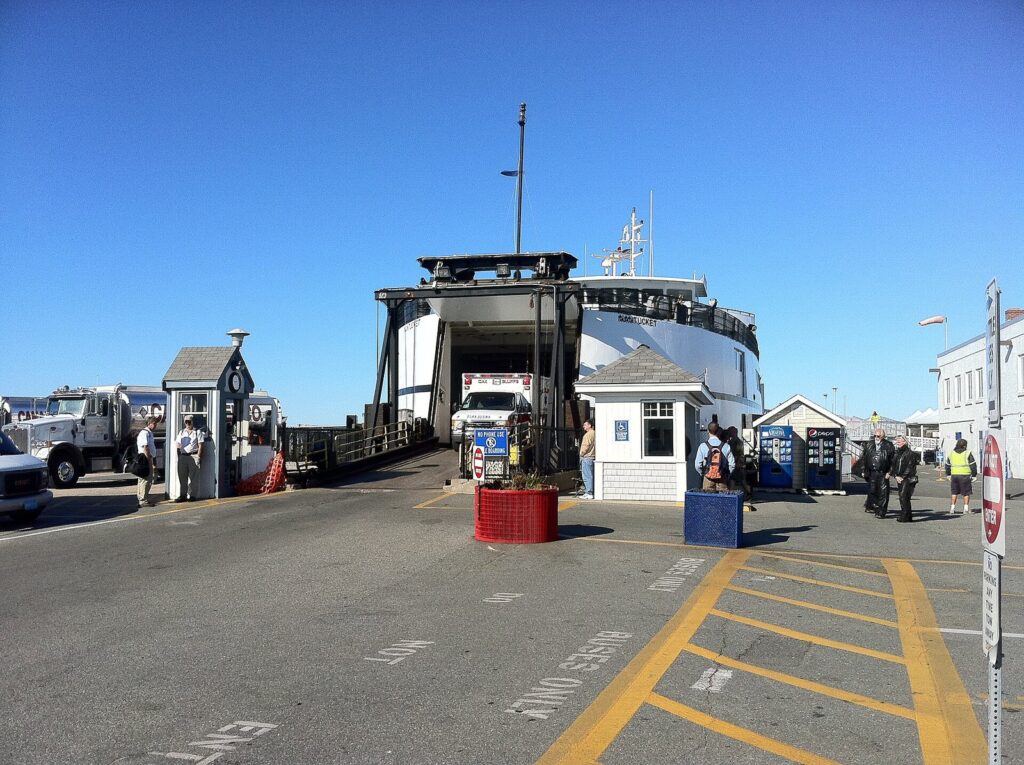
Woods Hole, for Martha’s Vineyard. The Steamship Authority’s ferry reaches Vineyard Haven or Oak Bluffs in 45 minutes for $11 per adult each way in 2026, and foot passengers don’t need reservations. There’s no dockside parking at Woods Hole: drivers use the Authority’s lots in Falmouth, with free shuttle buses to the terminal, and should arrive about an hour before departure. Stay in Woods Hole or Falmouth Village and you can walk, bike the Shining Sea Bikeway or take a short cab ride instead.
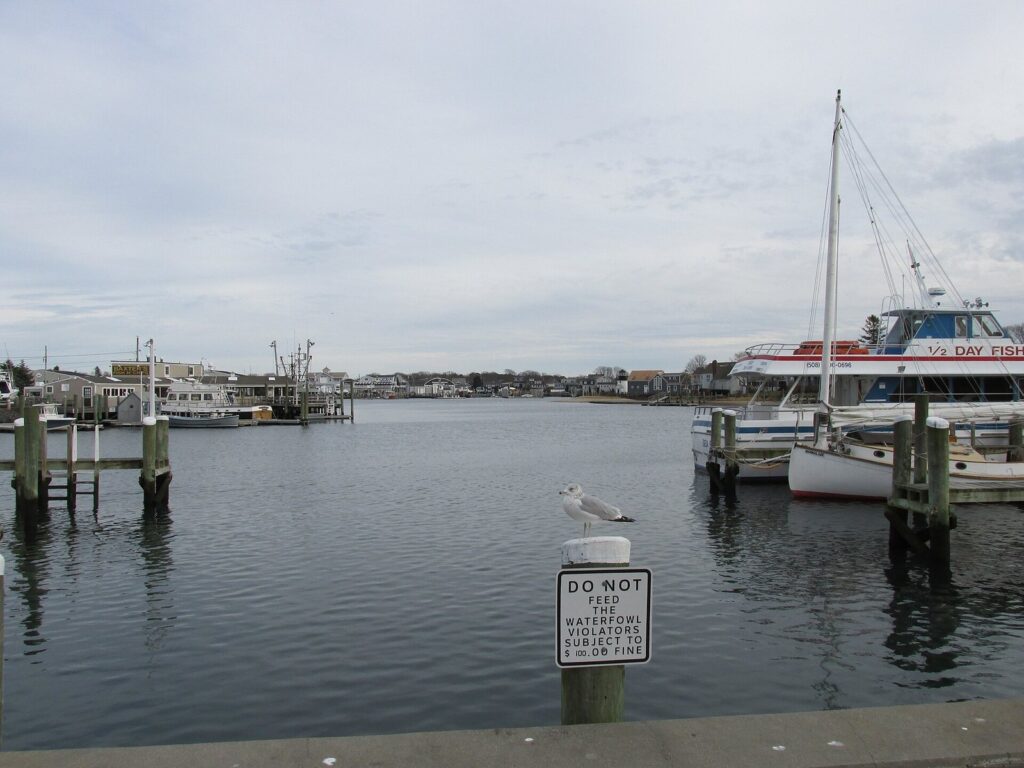
Hyannis, for Nantucket. From Hyannis, the Steamship Authority’s fast ferry takes an hour ($48.50 one way in 2026) and its traditional boat takes 2 hours 15 minutes ($21.50), while Hy-Line’s high-speed ferry takes 60 minutes ($52 one way, $97 round trip). Hy-Line also runs a seasonal fast ferry from Hyannis to Oak Bluffs on Martha’s Vineyard. Hotels near Main Street and the harbor put both terminals within walking distance.
Provincetown, from Boston. Fast ferries also run between Boston and Provincetown in season; Bay State Cruise Company’s takes about 95 minutes and ran daily from May 16 to October 18 in 2026. That makes Provincetown a realistic car-free destination in its own right.
Can you stay on Cape Cod without a car?
Yes, in three places, and with some planning.
Provincetown is the easy one: fast ferries from Boston in season, Cape Air flights from Boston, Peter Pan buses from Boston, Logan and Hyannis, a walkable town and the fare-free CCRTA Provincetown Shuttle. You can rent a bike for the Province Lands trail and never think about parking.
Falmouth and Woods Hole work well too. Peter Pan runs from Logan Airport to Woods Hole with a Falmouth stop, the Shining Sea Bikeway links the villages, the CCRTA Sealine bus runs to Hyannis, and the Vineyard ferry is at the end of the road.
Hyannis is the transit hub. The CapeFLYER train runs from Boston on summer weekends, with bikes riding free in a dedicated car, and buses run to Boston and Logan. Every CCRTA fixed route has been fare-free since June 2025, which makes Hyannis a workable base for reaching Falmouth, Orleans and the beaches in between.
Everywhere else, you’ll want a car or a bike and patience. Think twice about a car-free stay in Eastham, Brewster or Truro unless you’re happy to cycle and plan every grocery run.
Before you book: the questions that matter
Cape Cod lodging has a few quirks that listings rarely mention. Ask about these before you pay a deposit.
- Air conditioning. Many older cottages and inns rely on sea breezes and fans. If a heat wave would ruin the week, ask.
- Beach access and passes. Which beach, how far on foot, and whether passes or stickers come with the rental.
- Linens and towels. Weekly rentals often expect you to bring your own or pay to rent them.
- Trash and recycling. Some rentals include pickup and others don’t, and the rules differ by town, so ask how it works before you arrive.
- Parking. In Provincetown and the busiest village centers, spaces are scarce and can cost extra.
- Stairs and accessibility. Antique inns and bluff-top cottages often mean steep stairs and no elevator; ask for a ground-floor room if it matters.
- Pets. Many rentals and inns don’t take them, so filter early rather than falling for a house that says no.
- Check-in day and minimums. Saturday-to-Saturday weeks and two- or three-night weekend minimums are common in summer.
- Deposits and payment. Pay through a booking platform or an established local agency, read the cancellation terms, and walk away from anyone who wants a wire transfer.
- Registration. Massachusetts requires short-term rental operators to register with the state, and some towns, including Provincetown, add their own rental certificates. A host who can show both is a good sign.
Staying on Cape Cod in the off-season
From November to April the Cape’s lodging map shrinks. Many inns, cottage colonies and campgrounds close for the season, and some summer cottages aren’t winterized at all. Hyannis and Falmouth keep the widest choice of open hotels, Provincetown keeps a smaller set of guesthouses running, and some Chatham and Route 6A inns stay open through the holidays. In exchange, prices fall well below summer levels, weekly-rental rules loosen into nightly and weekend stays, and you’ll have the beaches and trails nearly to yourself. Before booking, check that the heat works, that restaurants near your base are open, and that ferry schedules suit your plans, since they thin out after the summer season.
When should you book?
Summer rentals: the winter before. By January 2026 most summer weeks were already more than half booked, and the best houses near the water go first. Inns and resorts: spring at the latest for July and August weekends; midweek and shoulder-season nights stay available longer. Camping: Nickerson’s four-month booking window means planning to the day for summer weekends; 2026 reservations opened on February 18. Island car ferries: if you plan to take a car to Martha’s Vineyard or Nantucket, book when the Steamship Authority’s reservations open in winter; foot passengers can simply walk on. Off-season: book late, but check who’s actually open before you set your heart on a town, particularly on the Outer Cape.
Once you’ve picked a base, our guide to the best things to do on Cape Cod sorts the days by region and weather.
Where to Stay on Cape Cod FAQ
What is the best area to stay on Cape Cod?
For most first-time visitors, the Mid Cape: Dennis, Yarmouth or Hyannis. It’s central, both coasts are close and it has the most lodging and services. Choose Chatham or Falmouth if walking to dinner matters most, the Outer Cape if the National Seashore is the point of the trip, and Provincetown for nightlife or a car-free stay.
Is it better to stay in Hyannis or Chatham?
They suit different trips. Hyannis is practical and central, with the Nantucket ferries, more lower-cost rooms and quick access to the whole Cape, but it’s busy and commercial. Chatham is the classic village, walkable and scenic, with seals and a lighthouse, but it costs more and sits farther out. Couples tend to prefer Chatham; families and first-timers often do better in Hyannis.
Where should I stay on Cape Cod without a car?
Provincetown is the best choice, with fast ferries from Boston in season, Cape Air flights, buses, a walkable town and a fare-free shuttle. Falmouth and Woods Hole come next, thanks to buses from Logan, the Shining Sea Bikeway and the Vineyard ferry. Hyannis works as a transit hub, with the summer CapeFLYER train and fare-free local buses.
What’s the cheapest area to stay on Cape Cod?
The Route 28 corridor in Yarmouth and Dennis Port and the motels in and around Hyannis usually offer the lower prices, along with camping at Nickerson State Park. Staying midweek or in June or September saves more than any town choice. Remember to add state and local lodging taxes, which reach 14.45% in Provincetown, plus beach parking.
How far in advance should I book a Cape Cod rental?
For July and August, book the winter before; by January 2026, seven of ten summer weeks were already more than half booked on a major rental platform. Inns and resorts for peak weekends should be booked by spring. June, September and midweek stays can be arranged later, and off-season trips can be booked close to the date.
Where should I stay for Martha’s Vineyard or Nantucket day trips?
For Martha’s Vineyard, stay in Falmouth or Woods Hole, where the Steamship Authority’s 45-minute ferry leaves; there’s no dockside parking, so being able to walk or bike helps. For Nantucket, stay in Hyannis, where both the Steamship Authority and Hy-Line sail and downtown hotels are within walking distance of the docks.
Should I rent a house or stay in a hotel on Cape Cod?
For a week with family or friends, a rental usually wins: a kitchen, more space and a per-person cost that often beats several hotel rooms. For short stays, couples or flexible dates, a hotel, inn or motel is simpler, since summer rentals typically run Saturday to Saturday and come with cleaning fees, linens and chores.
Related Cape Cod Guides
- Cape Cod Towns and Villages: all 15 towns compared by coast, walkability and drive time
- Best Beaches in Cape Cod: which coast suits you, and how beach parking works town by town
- Best Things to Do in Cape Cod: what to do from your base, sorted by weather and budget
- Cape Cod Travel Guide: getting here, when to come and how long to stay
Sources and verification
The details on this page were checked on September 23, 2026 against the agencies, towns and operators listed below. The guide is compiled from those sources and claims no first-hand stays or visits.
- Massachusetts Department of Revenue: room occupancy excise
- Town of Provincetown: short-term rental occupancy tax
- Massachusetts DCR: 2026 camping reservations
- ReserveAmerica: Nickerson State Park campground
- Steamship Authority: ferry parking
- Steamship Authority
- Hy-Line Cruises
- Bay State Cruise Company
- Cape Air
- Peter Pan Bus Lines
- CapeFLYER
- Cape Cod Regional Transit Authority: fares
- Town of Orleans: beach parking fees
- Boston.com: early bookings for 2026 summer rentals
- Chatham Bars Inn
Cape Cod Tourism Guide is an independent publication, not affiliated with the Cape Cod Chamber of Commerce, the National Park Service or any business named here.
Photo credits
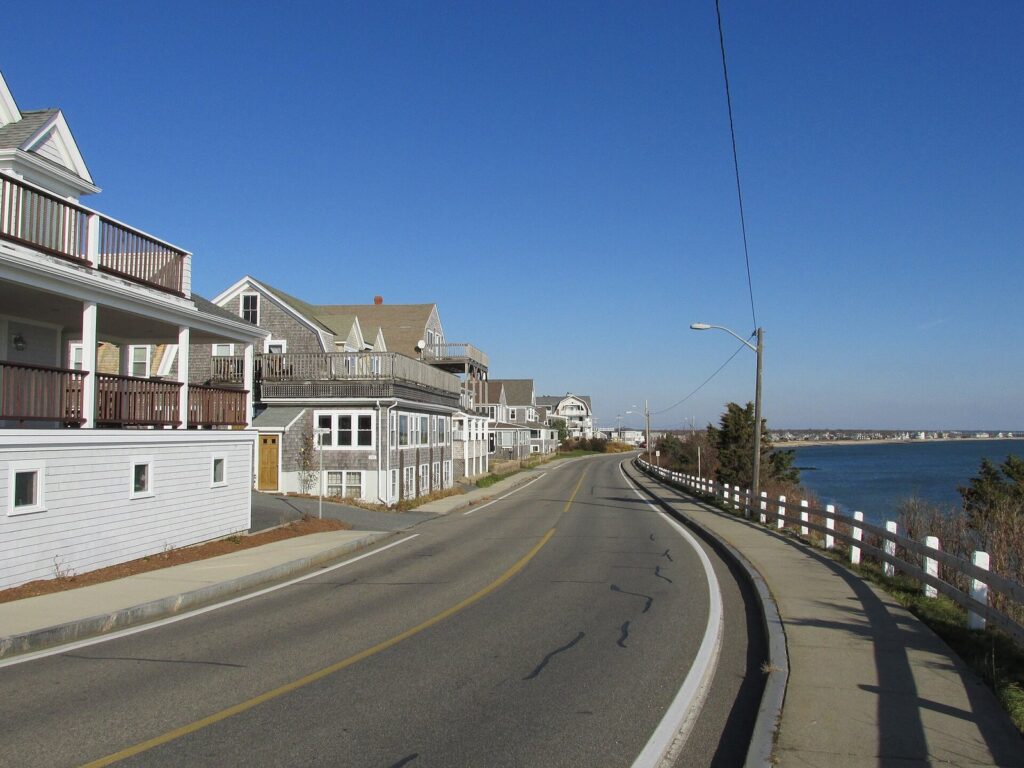
- Grand Avenue, Falmouth Heights: photo by John Phelan, Wikimedia Commons (CC BY-SA 4.0)
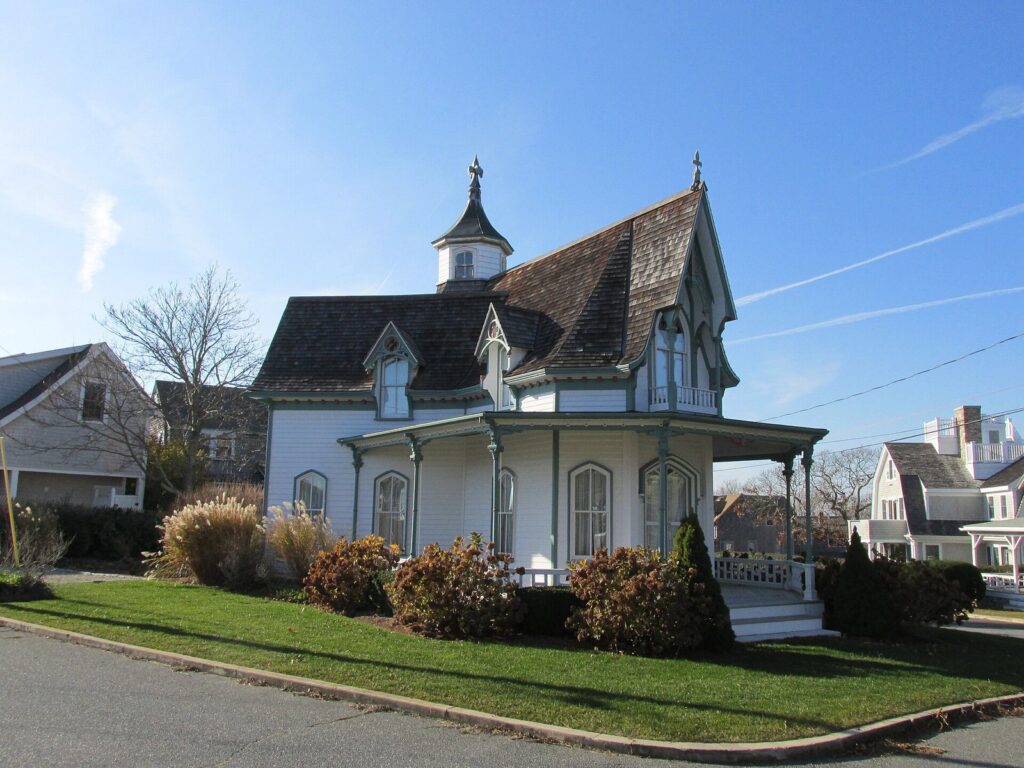
- Boyden Cottage, Falmouth Heights: photo by John Phelan, Wikimedia Commons (CC BY-SA 3.0)
- Flax Pond, Nickerson State Park: photo by John Phelan, Wikimedia Commons (CC BY-SA 3.0)
- Ferry at Woods Hole: photo by Andrewrabbott, Wikimedia Commons (CC BY-SA 3.0)
- Hyannis Inner Harbor: photo by John Phelan, Wikimedia Commons (CC BY-SA 3.0)
- Provincetown East End: photo by Dennis Weeks, Wikimedia Commons (CC BY 4.0)