The best restaurants in Cape Cod are the ones that cook what the boats and farms bring in, and they come in a few distinct kinds: roadside clam shacks for fried clams and lobster rolls, raw bars built around Wellfleet oysters, harbor-side fish houses, Provincetown’s Portuguese bakeries and busy Commercial Street dining rooms, and a small set of fine-dining rooms at the big resorts. Places this guide can point to with confidence for 2026 include Arnold’s Lobster & Clam Bar in Eastham, the Chatham Pier Fish Market at the Chatham Fish Pier, Sesuit Harbor Cafe on the bay in East Dennis, Captain Frosty’s on Route 6A in Dennis and Mattakeese Wharf on Barnstable Harbor.
This guide is for travelers who want to eat well without trusting a stranger’s top-ten list. Its caveat is seasonality: many of the Cape’s best-loved places open in spring and close after the Columbus Day / Indigenous Peoples’ Day weekend, and hours shift through the year. Operating status, markets and events were checked September 23, 2026 against official sources and current listings.
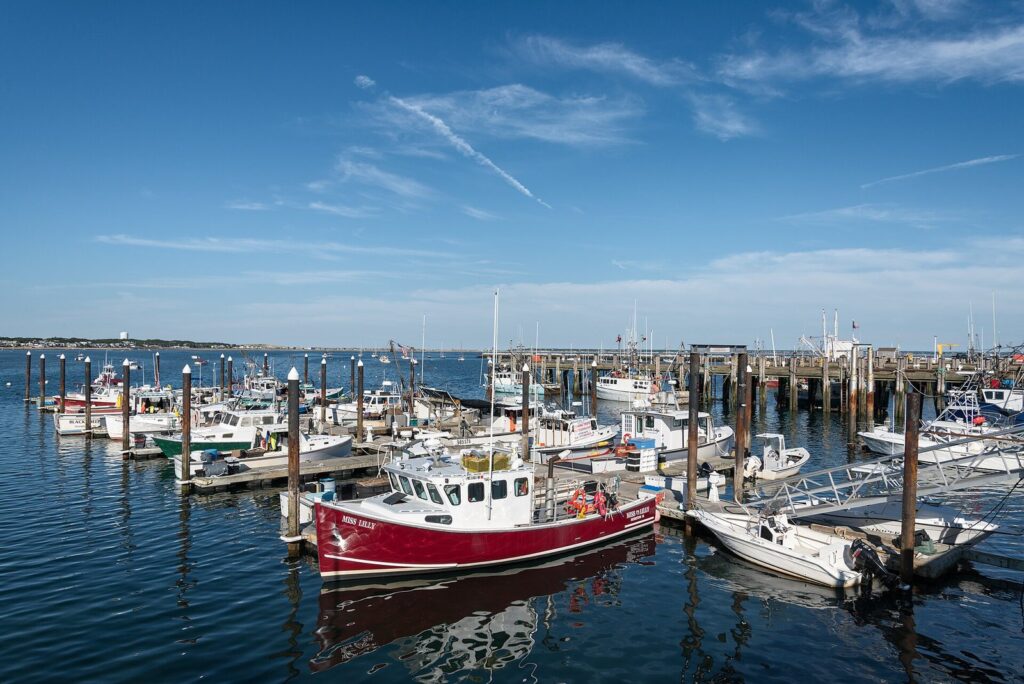
On this page: How we choose · What to eat · The dishes · By region · Town by town · By occasion · Shacks, markets and dining rooms · Cooking your own · Oysters and shellfish · Farmers markets · Breweries · Budgets and diets · Bakeries and ice cream · Seasons and hours · Reservations and waits · FAQ
How this guide chooses restaurants
Most “best restaurants on Cape Cod” lists never say how they chose, and some still recommend places that have changed hands or closed. This page works to a short, public set of rules:
- Confirmed for 2026. We name a business only when its own website or a current listing shows it operating in 2026. That keeps this list shorter than some, and more reliable.
- A track record. Long-running places that locals and repeat visitors keep returning to, rather than this summer’s opening.
- Local food. Seafood from the region’s boats and flats, and produce from Cape farms where the menu shows it.
- A clear use. Each pick answers a question: sunset dinner, kids in tow, a rainy night, a picnic for the beach.
- No paid placements, no taste tests claimed. This guide is compiled from official sources and current listings, and it doesn’t pretend to have eaten everywhere.
Because hours and menus change every season, check a restaurant’s own site or call before you drive across the Cape for it.
What to eat on Cape Cod, at a glance
The Cape’s food is simple and seasonal. This table covers the essentials and where to look for them.
| Dish | What it is | Where to look | Best season |
|---|---|---|---|
| Fried clams | Whole-belly soft-shell clams, battered and fried; strips are the milder, belly-free version | Clam shacks across the Cape | Late spring to mid-October |
| Lobster roll | Lobster meat on a toasted roll, cold with mayonnaise or warm with butter | Clam shacks, fish markets, harbor restaurants | Summer, at market price |
| Clam chowder | Creamy New England chowder with quahogs and potatoes | Almost everywhere | All year |
| Raw oysters | Briny oysters, with Wellfleet’s the most famous | Raw bars, especially on the Outer Cape | Best in the cooler months |
| Steamers and littlenecks | Steamed soft-shell clams dipped in broth and butter; small hard-shell clams raw or steamed | Clam shacks and seafood restaurants | Summer |
| Stuffed quahogs | Big hard-shell clams baked with a savory stuffing, a southeastern New England staple | Clam shacks and fish markets | All year |
| Local fish | Striped bass, bluefish, cod and haddock, grilled, baked or in fish and chips | Harbor restaurants and fish markets | Summer into fall |
| Portuguese baking and kale soup | Sweet breads, fried dough and soups from Provincetown’s Portuguese fishing families | Provincetown | All year, best in summer |
| Cranberries | Grown in bogs across the Cape and harvested in fall | Farm stands and markets | September to November |
The dishes worth planning around
Fried clams
The whole-belly fried clam is the Cape’s signature: a soft-shell clam, belly and all, dredged, fried and piled into a paper boat with fries and tartar sauce. If you’ve only had clam strips, the belly is richer and a little briny, and it’s the version most shack regulars order. Eat them hot at a picnic table, since they don’t travel well, and expect a line at the popular windows between 6 and 7 p.m. in July and August. A clam plate with onion rings is an entire day’s worth of eating; share if you plan to swim again.
Lobster rolls
There are two schools. The cold roll dresses chilled lobster meat lightly with mayonnaise; the warm, or Connecticut-style, roll bathes it in melted butter. Most Cape menus offer one or both on a toasted, top-split bun. Prices move with the catch and the season, so treat any figure you’ve heard as a guess and read the board, which usually says “market price.” The best rolls come from places that also sell lobster over a fish counter, since they buy in volume and turn it over fast.
Clam chowder
Cape chowder is the creamy New England kind, thick with chopped quahogs, potatoes and a little salt pork or bacon, and it’s served everywhere from clam shacks to white-tablecloth rooms. A cup on a gray afternoon is the Cape’s best rainy-day food. Some places also make a clear-broth version, which lets the clams speak up more; if you see both on a menu, try each.
Oysters
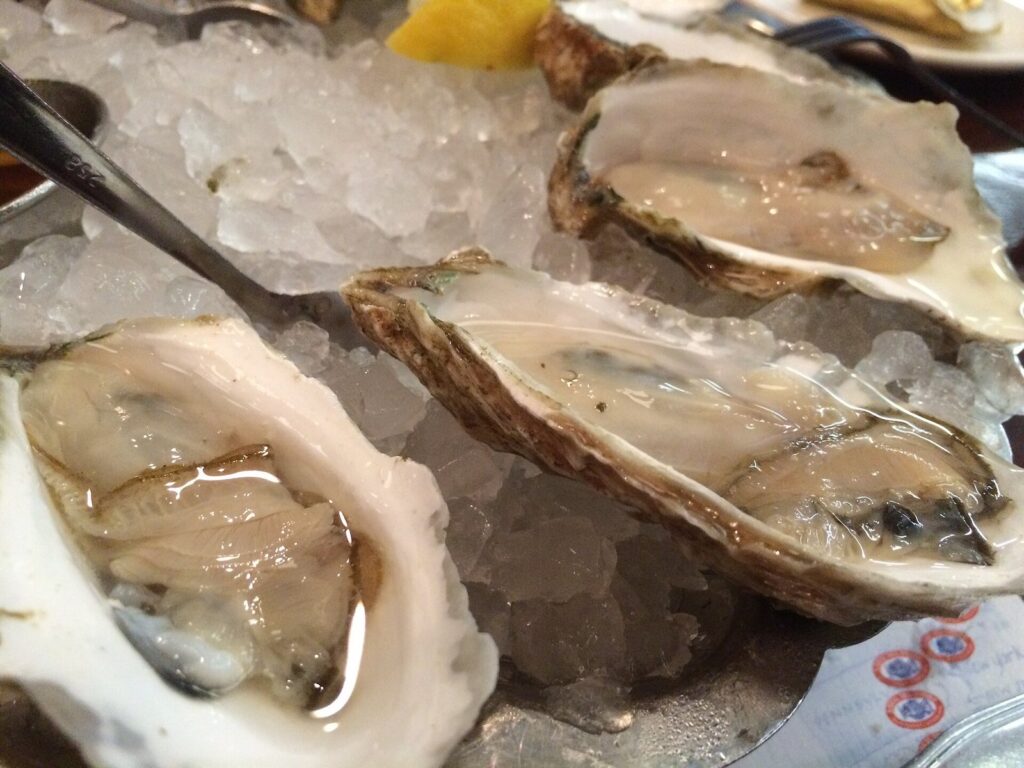
Wellfleet’s oysters are the Cape’s most famous food, grown on the flats of Wellfleet Harbor and sold at raw bars up and down the Cape. Oysters from other towns, including Barnstable, Dennis and Chatham, are excellent too, and each has its own salt and sweetness. Order a mixed dozen and ask where each one came from; a good raw bar will know. The Wellfleet OysterFest in mid-October is the year’s big celebration, covered below.
Steamers, littlenecks and stuffed quahogs
Hard-shell clams go by size: littlenecks are the smallest and are eaten raw or steamed, cherrystones are a bit bigger, and full-size quahogs end up in chowder or baked as “stuffies” with a savory bread stuffing, often spiked with linguiça. Steamers are soft-shell clams, served in a bowl with a cup of the cooking broth to rinse off the sand and a cup of melted butter to finish the job. They’re messy, and that’s the point.
Local fish
Summer brings striped bass and bluefish close to shore, and both turn up on menus grilled or baked; bluefish is oily and strong and better than its reputation. Cod and haddock appear in fish and chips and baked with buttered crumbs, a New England standby. For the freshest fish, buy it at a fish market near a working harbor, such as the Chatham Pier Fish Market, and cook it at your rental.
Provincetown’s Portuguese food
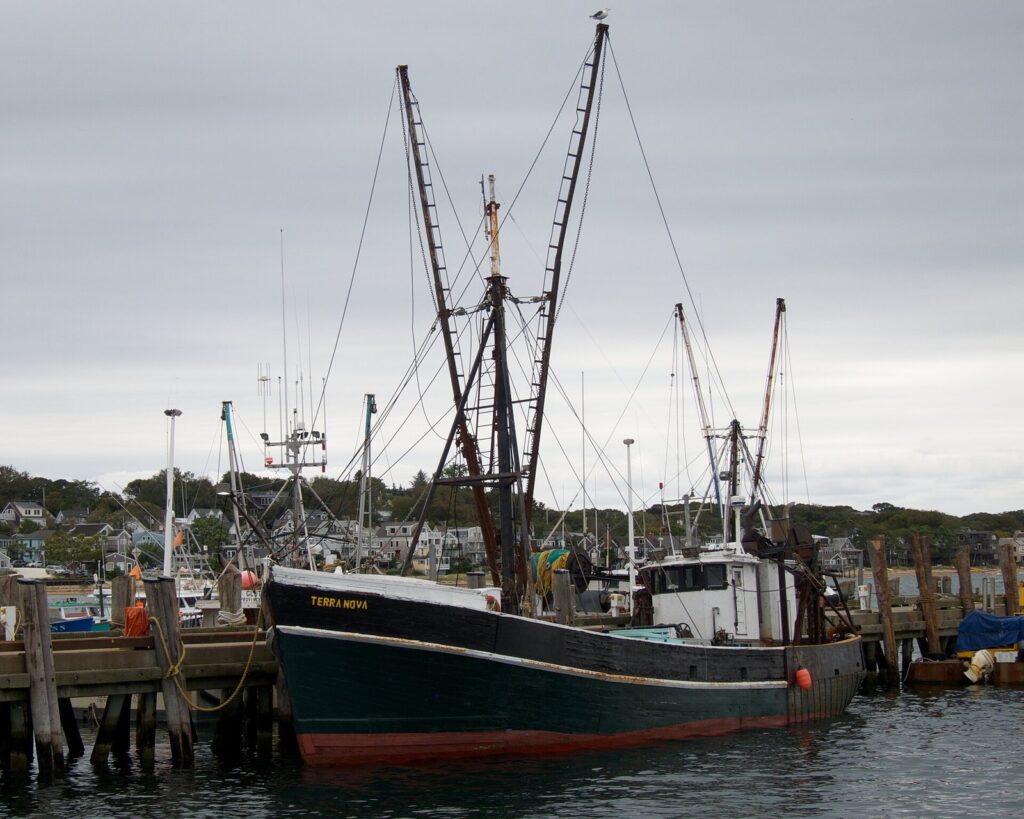
Portuguese fishing families shaped Provincetown for generations, and their food lives on in the town: kale soup with linguiça and beans, sweet bread, and fried dough dusted with sugar from the town’s bakeries. It’s everyday food rather than a museum piece, so look for it at breakfast and lunch counters along Commercial Street.
Cranberries and farm food
Cranberries have grown in Cape Cod bogs for generations, and in fall the flooded, red-carpeted bogs are one of the Cape’s best sights. Farm stands and farmers markets sell cranberries, corn, tomatoes and berries in season, along with honey, baked goods and local shellfish. A market morning plus a rental kitchen is the least expensive way to eat well on the Cape.
Where to eat, region by region
Good food is spread across the Cape, but it clusters around harbors and village centers. Here’s where to look in each region, with the places this guide can confirm for 2026. For the feel of each town, see our guide to Cape Cod’s towns and villages.
Upper Cape: Sandwich, Falmouth, Mashpee and Bourne
Falmouth’s Main Street and Woods Hole have the Upper Cape’s densest run of restaurants, from cafes and bakeries to harbor-side seafood, and the Sandwich Marina on the canal has seafood spots where you can eat while the boats come and go. Mashpee Commons gathers a cluster of sit-down restaurants in one walkable district, useful for families who don’t want to split up. The Falmouth Farmers’ Market runs on Thursdays at Marine Park, and the Sandwich market on Tuesdays, both through mid-October in 2026.
Mid Cape: Barnstable, Yarmouth and Dennis
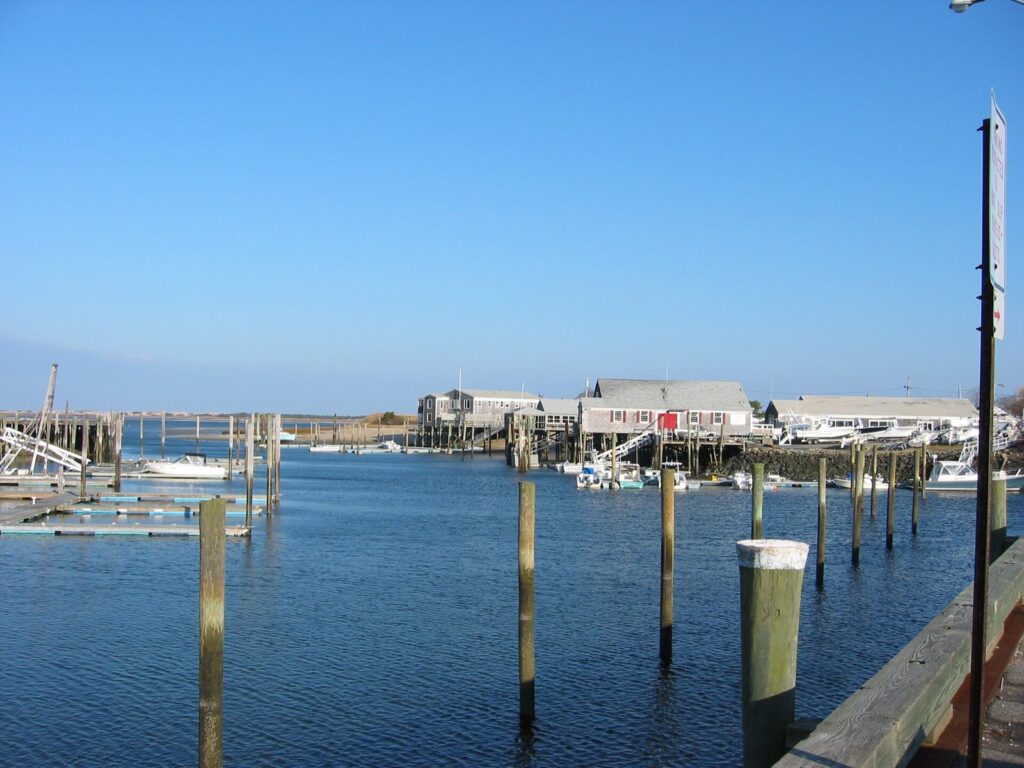
Hyannis has the Cape’s biggest concentration of restaurants, along Main Street and around the harbor, including many that stay open year-round. On the bay side, Mattakeese Wharf sits on Barnstable Harbor off Route 6A in Barnstable Village, a classic spot for seafood with a harbor view. In Dennis, Sesuit Harbor Cafe is a clam shack with outdoor tables overlooking the marina and Cape Cod Bay in East Dennis, and Captain Frosty’s is a long-running fried-seafood stop on Route 6A. Route 28 through Yarmouth and Dennis Port is strip-mall territory, but it hides plenty of reliable family places.
Lower Cape: Brewster, Harwich, Chatham and Orleans
Chatham’s Main Street is the Lower Cape’s dining street, with inns, bistros and pubs within a walk of each other, and the Chatham Pier Fish Market at the town’s working fish pier sells fish, lobster and prepared seafood a few steps from where the day boats unload. Orleans is the practical hub, with Hog Island Beer Co. for a casual dinner and a pint, and the harbor at Rock Harbor for sunset. Harwich Port has a short, walkable stretch of restaurants along Route 28. Brewster’s Route 6A has several long-running dining rooms and seafood spots strung out among the antique shops.
Outer Cape: Eastham, Wellfleet, Truro and Provincetown
Arnold’s Lobster & Clam Bar on Route 6 in Eastham is a long-running clam shack and a natural stop on the way back from the National Seashore’s beaches. Wellfleet is oyster country, with raw bars around the harbor and the center, and the Beachcomber, a bar and restaurant above Cahoon Hollow Beach, is the Outer Cape’s classic beach-day hangout. Truro has only a handful of restaurants, and most people drive to Wellfleet or Provincetown. Provincetown has the Cape’s liveliest dining scene, from Portuguese bakeries to waterfront dining rooms along Commercial Street, and it stays busy late in summer.
The dining scene, town by town
Every town eats a little differently. Use this as a map of where the good food clusters, then check current hours before you go.
| Town | Dining scene | Good for |
|---|---|---|
| Bourne | Small and spread out, with canal-side takeout | A bite after a canal ride |
| Sandwich | Village inns and seafood near the marina | Lunch between museums |
| Falmouth | Main Street and Woods Hole: cafes, bakeries, seafood | A walkable dinner, with year-round choice |
| Mashpee | A cluster of restaurants at Mashpee Commons | Families who want options in one place |
| Barnstable | Hyannis’s Main Street and harbor; Barnstable Harbor on the bay | The widest choice, all year |
| Yarmouth | Family restaurants on Route 28; Route 6A in Yarmouth Port | Budget-friendly family dinners |
| Dennis | Clam shacks, Route 6A dining and Dennis Port seafood | Shacks close to both coasts |
| Brewster | Dining rooms and seafood spots along Route 6A | A special dinner on the bay side |
| Harwich | Harwich Port’s short dining strip on Route 28 | Warm-evening strolls |
| Chatham | Main Street’s inns, bistros and pubs, plus the fish pier | A walk-to-dinner night |
| Orleans | A practical hub with a brewery and harbor sunsets | Casual dinners and supplies |
| Eastham | Clam shacks and casual spots on Route 6 | Fried clams after the beach |
| Wellfleet | Raw bars and a small, lively center | Oysters, above all |
| Truro | Very few restaurants | Picnics; dinner in Wellfleet or Provincetown |
| Provincetown | Commercial Street, from bakeries to late-night kitchens | Variety, nightlife and people-watching |
The best places to eat by occasion
Sometimes the right question isn’t “where’s the best restaurant,” but “where should we eat tonight, given who’s with us and what the weather is doing.”
| Occasion | What to look for | Where to start |
|---|---|---|
| Sunset dinner | A west-facing harbor or bay-side table | Barnstable Harbor, Sesuit Harbor in East Dennis, Rock Harbor in Orleans, Provincetown’s West End |
| Kids in tow | Order-at-the-window shacks with picnic tables | Arnold’s in Eastham, Captain Frosty’s in Dennis, Sesuit Harbor Cafe |
| A beach picnic | A fish market with prepared food | Chatham Pier Fish Market, or a farmers market in the morning |
| A rainy night | Chowder, a warm room and no view needed | Hyannis’s Main Street or Chatham’s Main Street |
| Late night | Kitchens and bars that stay open | Provincetown in summer, then Hyannis |
| A special occasion | A reservation-only dining room | The big resorts in Chatham, Harwich and Brewster, or Provincetown’s top tables |
| Beer with dinner | A brewery with food or food trucks | Hog Island Beer Co. in Orleans, Cape Cod Beer in Hyannis |
| Breakfast | Bakeries and diners that open early | Village centers in Falmouth, Hyannis, Orleans and Provincetown |
For ideas on what to do between meals, sorted by weather and budget, see our list of the best things to do on Cape Cod.
Clam shacks, fish markets and dining rooms: how they work
Clam shacks are the Cape’s everyday restaurants: order at a window, wait for your number, eat at a picnic table. Most are seasonal, opening in spring and closing sometime after the Columbus Day weekend. They rarely take reservations, so the trick is timing: arrive before 6 p.m. or after 8 p.m. in summer, or pick up and eat at a beach for sunset.
Fish markets are the underrated option. Many sell prepared food, such as chowder, lobster rolls and stuffed quahogs, alongside fresh fish and live lobsters, and some will steam lobsters for you to take away. With a rental kitchen, a fish market turns a family dinner into the best meal of the week at a fraction of restaurant prices.
Raw bars focus on oysters and clams, often with a short menu of cooked seafood. They fill up at happy hour and on summer weekends, and the best ones list each oyster’s harbor of origin.
Sit-down restaurants and dining rooms range from harbor-side seafood houses to chef-driven bistros and resort dining rooms. These are the places to book ahead in July and August, especially on Friday and Saturday nights.
Cooking your own: fish markets and the rental kitchen
Some of the best seafood meals on the Cape happen in rental kitchens, at a fraction of restaurant prices. Buy from a fish market near a working harbor and ask what came in that day; the counter staff usually know which boat caught it.
Lobster. Buy lobsters live, keep them cool and damp in the refrigerator (never in fresh water), and cook them the same day. Steam them in a large covered pot over an inch or two of salted water; a lobster of about a pound and a quarter takes roughly 12 to 15 minutes once the pot is back at a steady boil, and it’s done when the shell is bright red and an antenna pulls out easily. Some markets will steam them for you, which spares the rental’s kitchen and your nerves.
Steamers and littlenecks. Soak steamers in cold salted water for a while to help them release sand, then steam until the shells open, and discard any that stay shut. Serve with a cup of the cooking broth for rinsing and melted butter for dipping.
Fish. Striped bass and bluefish take well to a hot grill with little more than oil, salt and lemon, and cod or haddock bakes beautifully under buttered crumbs. Add farm-stand corn and tomatoes from a morning market, and you have the classic Cape dinner.
Oysters, clams and the Wellfleet OysterFest
Shellfish are the Cape’s great local food, and a few facts make them easier to enjoy.
OysterFest. The Wellfleet OysterFest, run by the Wellfleet Oyster Alliance, fills downtown Wellfleet on October 17 and 18, 2026, from 10 a.m. to 5 p.m. General admission is $35, children 12 and under get in free, and attendance is capped at 12,000 a day, so buy tickets ahead. Expect oysters, shucking contests, music and slow traffic in and out of town.
Digging your own. Recreational shellfishing needs a permit from the town where you dig, and each town sets its own seasons, limits and open areas. The state closes beds after heavy rain or when harmful algae appear, so check the town’s shellfish page on the day and never harvest from a closed area. Some towns sell permits to visitors and renters, so ask the shellfish department before you buy a rake.
Eating raw shellfish safely. Buy from licensed restaurants and markets, which source from monitored, open waters. That’s the simplest way to enjoy a dozen without worrying about where they came from.
Farmers markets on Cape Cod in 2026
A morning at a farmers market is one of the easiest ways to meet the Cape’s farmers, fishermen and bakers. These were the 2026 schedules for five of the main markets:
| Market | Day and hours | 2026 season | Where |
|---|---|---|---|
| Falmouth Farmers’ Market | Thursdays, 11 a.m. to 3 p.m. | May 21 to October 15 | Marine Park, Scranton Avenue |
| Sandwich Farmers’ Market | Tuesdays, 9 a.m. to 1 p.m. | June 9 to October 13 | Oakcrest Cove Field, Quaker Meetinghouse Road |
| Wellfleet Farmers’ Market | Wednesdays, 8 a.m. to noon | June 3 to September 30 | The Congregational church grounds |
| Orleans Farmers Market | Saturdays, 9 a.m. to noon | May 2 into December | 19 Old Colony Way |
| Provincetown Farmers Market | Saturdays, 9 a.m. to 1 p.m. | May 16 to October 31 | Ryder Street, next to Town Hall |
Go early for the best produce and the easiest parking, bring cash as a backup, and pair a Saturday in Orleans with a walk at Skaket Beach, just down the road.
Breweries and where to drink
The Cape’s craft beer scene has grown into a proper reason to visit. Cape Cod Beer in Hyannis, brewing since 2004, is the veteran. Hog Island Beer Co. in Orleans pairs its beer with food and live music. Devil’s Purse Brewing in South Dennis, open since 2015, is known for European-inspired styles, and Naukabout Beer Company in Mashpee has a lakeside setting. Hours, food trucks and live music change through the season, so check each brewery’s own site before you go.
A few rules keep a brewery tour on the right side of the law and the road. Massachusetts enforces drunk driving strictly, and the Cape’s two-lane roads are unforgiving at night, so choose a driver or use a cab or rideshare. For a Provincetown night out, stay in town and walk.
Eating well on a budget, and with dietary needs
On a budget. Peak-season dining on the Cape isn’t cheap, but it’s easy to control. Make lunch the big meal, picnic from fish markets and farmers markets, save a lobster night for the rental kitchen, and share plates at clam shacks, where portions are generous. A waterfront table matters at sunset; after dark, the view is the same anywhere.
Vegetarians eat better than the Cape’s seafood reputation suggests. Farmers markets, pizza, bakeries, and the wider range of kitchens in Hyannis, Falmouth and Provincetown all help, and bistro menus usually carry vegetable dishes.
Gluten-free diners should ask whether fries and other items share a fryer with breaded seafood, which is common at clam shacks.
Shellfish allergies need extra care at shacks and raw bars, where cross-contact is hard to avoid. Tell the staff before you order, and consider a sit-down restaurant with a separate kitchen line.
Bakeries, breakfast and ice cream
Every village has an ice cream stand, and the after-dinner walk for a cone is a Cape ritual. Lines peak right after dinner, so go mid-afternoon or late in the evening. Bakeries open early and sell out of their best items by mid-morning on summer weekends; in Provincetown, look for Portuguese sweet bread and sugared fried dough. Breakfast spots fill by 9 a.m. on weekends in July and August, so an early start pays twice: a table without a wait and an empty beach afterward.
When are Cape Cod restaurants open?
Summer (late June to Labor Day): everything is open, many places seven days a week, and waits are long at the popular spots. Late spring and early fall: many restaurants run shorter weeks, closing a day or two, and some serve dinner only. After the Columbus Day / Indigenous Peoples’ Day weekend: a lot of clam shacks, ice cream stands and seasonal restaurants close for the winter, especially on the Outer Cape. Winter: Hyannis, Falmouth, Orleans and Provincetown keep the widest choice of open restaurants, and some Chatham and Route 6A dining rooms stay open for the holidays.
The rule of thumb: from mid-October to May, check a restaurant’s current hours on the day you plan to go, because “open year-round” often means “open some days.”
Reservations, waits and prices
Book the dining rooms. In July and August, reserve popular sit-down restaurants a week or more ahead for weekend dinners, and a few days ahead midweek. Many now take reservations online.
Time the shacks. Clam shacks and raw bars rarely take reservations; eat at 5 p.m. or after 8 p.m., or go for a late lunch.
Expect market prices. Lobster, oysters and local fish are priced by the catch, so menus often say “market price.” Ask before you order if it matters.
Eat on the beach. Takeout from a shack or fish market, eaten on a bay-side beach at sunset, is one of the Cape’s great meals. Check the beach’s rules first, and carry out everything you bring in.
Cape Cod Food and Drink FAQ
What food is Cape Cod known for?
Seafood, above all: whole-belly fried clams, lobster rolls, creamy clam chowder, Wellfleet oysters, steamers and stuffed quahogs. Beyond the sea, the Cape is known for cranberries, grown in its bogs and harvested each fall, and for Provincetown’s Portuguese baking and kale soup, the legacy of the town’s Portuguese fishing families.
Where can you get the best lobster roll on Cape Cod?
The best rolls usually come from places that sell a lot of lobster: busy clam shacks and fish markets near working harbors. Try a cold roll with mayonnaise and a warm one with butter to find your side. Prices follow the catch, so expect “market price” on the board and check it before you order.
When is the best time to eat oysters on Cape Cod?
Oysters are available year-round from local farms, but many people find them best in the cooler months, when they’re firm and briny. The Wellfleet OysterFest, on October 17 and 18 in 2026, is the season’s big celebration, with general admission at $35 and children 12 and under free.
Are Cape Cod restaurants open in the winter?
Some are. Many clam shacks and seasonal restaurants close after the Columbus Day / Indigenous Peoples’ Day weekend, especially on the Outer Cape. Hyannis, Falmouth, Orleans and Provincetown keep the widest choice of year-round restaurants, but hours shrink, so check before you go.
Do I need reservations at Cape Cod restaurants?
For sit-down restaurants in July and August, yes, especially on weekends; book a week or more ahead for popular places. Clam shacks, fish markets and many raw bars don’t take reservations, so go early, go late or take your food to the beach.
What’s the difference between a quahog, a littleneck and a steamer?
Quahogs, cherrystones and littlenecks are all hard-shell clams sorted by size: littlenecks are the smallest and are eaten raw or steamed, while big quahogs go into chowder or get stuffed and baked. Steamers are soft-shell clams, steamed and eaten with broth and melted butter.
Where can I buy fresh seafood to cook on Cape Cod?
Fish markets near working harbors are the best bet, such as the Chatham Pier Fish Market at the Chatham Fish Pier. Ask what came in that day, buy lobsters live and cook them the same day, or ask whether the market will steam them for you. Farmers markets and farm stands supply the corn, tomatoes and berries to go with them.
Related Cape Cod Guides
- Cape Cod Towns and Villages: which towns have walkable dining streets
- Best Things to Do in Cape Cod: what to do between meals
- Cape Cod Itineraries and Day Trips: day plans with lunch and dinner stops built in
- Where to Stay on Cape Cod: bases with kitchens for fish-market dinners
- Cape Cod Travel Guide: planning the whole trip
Sources and verification
The details on this page were checked on September 23, 2026 against the operators, organizers and listings below. The guide is compiled from those sources and claims no first-hand visits or meals.
- Arnold’s Lobster & Clam Bar
- Chatham Pier Fish Market
- Sesuit Harbor Cafe
- Mattakeese Wharf
- Hog Island Beer Co.
- Wellfleet Oyster Alliance: OysterFest 2026
- Edible Cape Cod: farmers markets guide
- Buy Fresh Buy Local Cape Cod
- Town of Wellfleet: beaches
Cape Cod Tourism Guide is an independent publication, not affiliated with the Cape Cod Chamber of Commerce, the National Park Service or any business named here.
Photo credits
- MacMillan Pier, Provincetown: photo by Giorgio Galeotti, Wikimedia Commons (CC BY 4.0)
- Wellfleet oysters: photo by Paulo O from Halifax, Canada, Wikimedia Commons (CC BY 2.0)
- Fishing boat Terra Nova, Provincetown: photo by BriYYZ from Toronto, Canada, Wikimedia Commons (CC BY-SA 2.0)
- Barnstable Harbor: photo by Wjones59 (talk) (Uploads), Wikimedia Commons (CC BY 2.5)
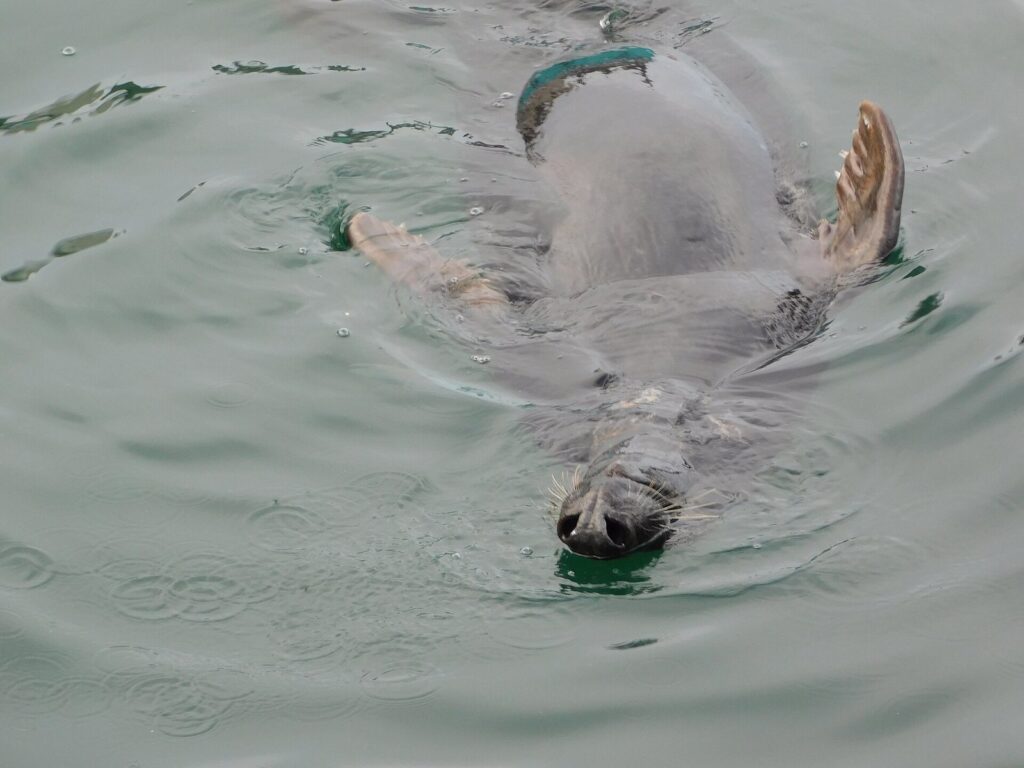
- Seal at the Chatham Fish Pier: photo by AK-Bino, Wikimedia Commons (CC BY-SA 4.0)