The best time to visit Cape Cod for most travelers is September: the water still holds much of its summer warmth, average highs in Hyannis sit in the low 70s, the crowds have gone home and almost everything is still open. For classic beach days with warm water and lifeguards, come from mid-July through August. For lower prices, wildlife and quiet trails, come in June or October. For empty beaches, seals and holiday strolls, come in winter, and accept that many restaurants will be closed.
This page matches the calendar to your trip rather than handing out a single answer, using NOAA’s official climate normals, coast-by-coast water patterns, crowd and price cycles, and the dates when lifeguards, ferries and visitor centers start and stop. The caveat: Cape weather is ocean weather, so spring runs cool and foggy and fall stays mild longer than inland New England. Climate data, seasons and service dates were checked September 23, 2026 against official sources.
On this page: Best time by trip goal · Weather month by month · Water temperature · Summer · Fall · Winter · Spring · Month by month · By activity · Crowds and prices · What’s open when · Weather risks · Events and holidays · What to pack · FAQ
The best time to visit Cape Cod, by trip goal
Start with what you want from the trip. The right month follows from that.
| If your goal is | Best time | Why | Trade-off |
|---|---|---|---|
| Swimming and beach days | Mid-July to late August | The warmest air and water, with lifeguards on duty | Peak crowds, traffic and prices |
| Warm days without the crowds | September | Average highs near 73°F in Hyannis; water still mild | No lifeguards after Labor Day; some hours trimmed |
| Whale watching | May to October | Humpbacks arrive in April; most trips run early May to the end of October | Rough seas cancel some days |
| Biking and hiking | May, June, September, October | Mild temperatures and quieter roads and trails | Spring fog; ticks from spring to fall |
| The lowest prices | November to April, outside holidays | Off-season rates and easy availability | Many restaurants and attractions close |
| Fall color and cranberries | October | The cranberry harvest peaks and Wellfleet holds its OysterFest | Seasonal businesses close after Columbus Day weekend |
| Birding | May, and September to October | Spring and fall migration along the coast | Changeable weather |
| A family vacation with school-age kids | Late June and August | School holidays, everything open, warm water by August | Book lodging the winter before |
| Holiday atmosphere | Early to mid December | Village strolls, lights and Provincetown’s Holly Folly | Cold, short days and fewer places open |
| Seals | Any month, especially late fall to spring | Gray seals are present all year, joined by harbor seals in the cooler months | Cold on the water |
Cape Cod weather month by month
These are NOAA’s official 1991 to 2020 climate normals for Hyannis (Barnstable Municipal Airport), rounded to whole degrees Fahrenheit. The ocean keeps the Cape milder in winter and cooler in summer than inland Massachusetts; beaches facing the open ocean run a few degrees cooler and breezier than sheltered inland spots.
| Month | Average high | Average low | Precipitation | What to expect |
|---|---|---|---|---|
| January | 40°F | 24°F | 3.9 in | The coldest month; raw wind, occasional snow, empty beaches |
| February | 41°F | 25°F | 3.2 in | Still winter; nor’easters possible; seals on the outer beaches |
| March | 46°F | 30°F | 4.3 in | Muddy, windy and changeable; the first signs of spring |
| April | 55°F | 39°F | 3.9 in | Cool and often gray; humpbacks start to arrive |
| May | 65°F | 48°F | 3.4 in | Fresh and green; fog on cool mornings; whale watches begin |
| June | 74°F | 58°F | 3.1 in | Pleasant days, chilly water; summer starts after mid-month |
| July | 81°F | 65°F | 2.7 in | The warmest and driest month; full summer |
| August | 80°F | 63°F | 3.3 in | Nearly as warm as July, with the warmest water |
| September | 73°F | 56°F | 3.9 in | Summer weather with far fewer people |
| October | 63°F | 46°F | 4.3 in | Crisp, often sunny; harvest season and the last whale watches |
| November | 54°F | 37°F | 4.1 in | Quiet and cool; storms start to return |
| December | 45°F | 29°F | 4.7 in | The wettest month; holiday strolls and short days |
A few patterns stand out. July is both the warmest and the driest month, with about 2.7 inches of precipitation, while December is the wettest, at about 4.7 inches; the yearly total is roughly 45 inches. Summer nights are comfortable, with lows in the 60s, so air conditioning matters less here than in Boston. And the shoulder months are milder than their reputation: September’s average high of 73°F is within a degree of June’s.
When is the water warm enough to swim?
Water temperature depends on the coast far more than on the calendar page, and it lags the air by weeks. The water is coldest in late winter and early spring, warms slowly through June and July, and usually peaks in August into early September, which is why September swimming is so much better than June swimming.
Nantucket Sound, along the south shore from Falmouth to Chatham, is the warmest water on the Cape and the most reliable for long swims in midsummer. Buzzards Bay, on the Upper Cape’s west side, runs close behind. Cape Cod Bay varies with the tide: the shallows warm quickly as the tide comes in over sun-heated flats, but the deeper water can stay cool. The Atlantic side of the Outer Cape is the coldest by a clear margin, even in August, and after a few days of westerly wind, colder water can rise from below and chill the ocean beaches further.
Be wary of old charts of monthly water temperature averages. NOAA retired its Coastal Water Temperature Guide in May 2025, so for a current reading, check a NOAA tide station or buoy near the beach you plan to use. For a coast-by-coast guide to where to swim, see our list of the best beaches on Cape Cod.
Summer on Cape Cod (late June to Labor Day)
Summer is the Cape at full volume. Average highs climb from the mid-70s in June to about 81°F in July, the water warms enough for long swims on the Sound by midsummer, and everything is open: lifeguards on the National Seashore beaches from late June through Labor Day, the CapeFLYER train from Boston on weekends, the free Cape Cod Baseball League from mid-June to mid-August, and Friday night band concerts in Chatham.
The price is company. Traffic backs up at the bridges on Friday afternoons and Saturdays, when weekly rentals turn over, beach lots fill by late morning, and lodging costs peak, especially around the Fourth of July and in August. The Mashpee Wampanoag Powwow is held around the Fourth of July, and mid-August brings Provincetown’s Carnival week and the Falmouth Road Race, which fill those towns.
Best for: families tied to school calendars, and anyone whose trip is mostly about the beach. Think twice if you hate crowds or want value; the last week of August and the first week after Labor Day offer most of the summer with far less of the scrum. For summer day plans that dodge the traffic, see our Cape Cod itineraries.
Fall on Cape Cod (September to November)
Fall is the season locals keep for themselves, and September is its best month. The average high in Hyannis is 73°F, the water holds much of its August warmth, and the crowds thin sharply after Labor Day. Lifeguards are gone and the CapeFLYER has stopped, but the National Seashore still collects beach fees through the fall, and whale watches run to the end of October.
October turns crisp, with average highs in the low 60s and some of the year’s clearest days. Cranberries ripen from mid-September to early November, and the wet harvest, when bogs are flooded and the berries float, peaks in October. Wellfleet’s OysterFest fills the town on October 17 and 18, 2026, and Highland Light keeps its tower tours running until October 25. The catch comes after the Columbus Day / Indigenous Peoples’ Day weekend, when many seasonal restaurants, shops and attractions close for the winter, especially on the Outer Cape; Heritage Museums & Gardens in Sandwich, for example, closes for the season on October 18 in 2026.
November is quiet and cool, with highs in the mid-50s and storms returning. It suits walkers, birders and people who want a cottage by the water at off-season rates. Verdict: for most adults and families with young children, September is the best month to visit Cape Cod.
Winter on Cape Cod (December to March)
Winter on the Cape is cold, windy and deeply quiet. Average highs run from about 45°F in December to 40°F in January, lows sit in the 20s, and nor’easters can bring gales, coastal flooding and snow. December is the wettest month, at about 4.7 inches of precipitation. Many restaurants, shops and inns close, ferries cut back their schedules, and some summer cottages aren’t built for the cold at all.
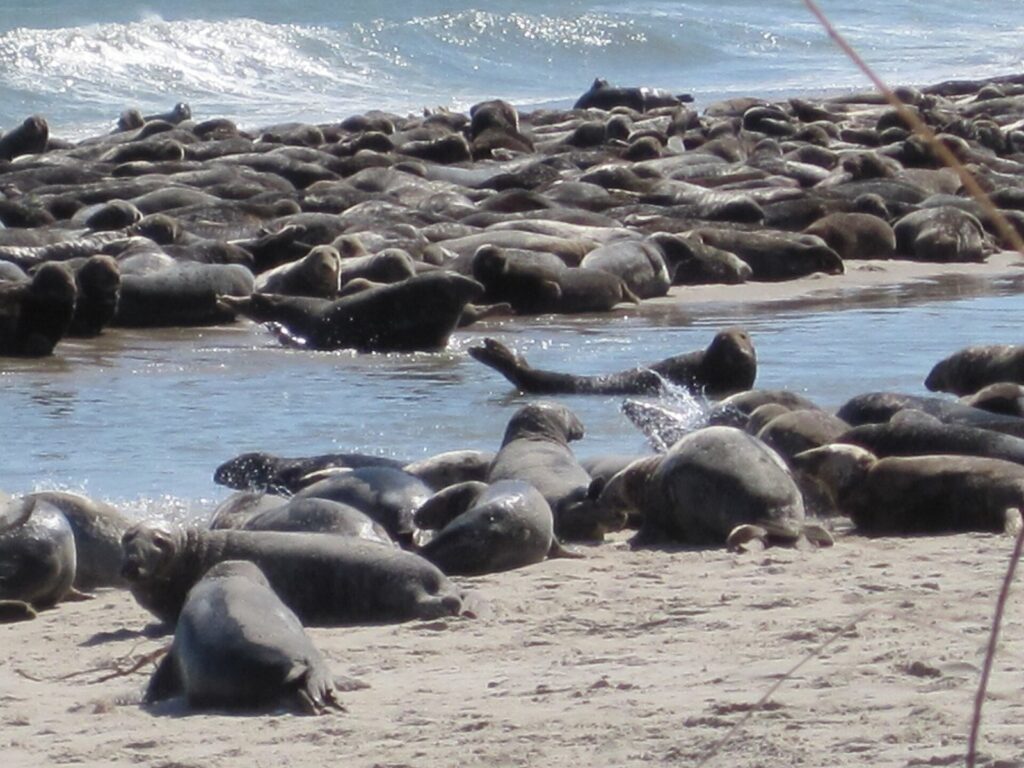
In return, you get the beaches nearly to yourself, gray and harbor seals hauled out on the outer beaches, and the lowest lodging prices of the year. Salt Pond Visitor Center in Eastham stays open all year, the trails and the Rail Trail are empty, and early December brings village holiday strolls in towns such as Chatham, Falmouth and Sandwich, plus Provincetown’s Holly Folly, an LGBTQ+ holiday celebration held December 4 to 6 in 2026. Hyannis, Falmouth, Orleans and Provincetown keep the widest choice of open restaurants.
Best for: writers, walkers, couples on a budget and anyone who likes a storm from the right side of a window. Think twice if you need a full menu of attractions or want to swim.
Spring on Cape Cod (April to mid-June)
Spring comes late to the Cape because the ocean is still cold. April averages about 55°F for a high and May about 65°F, and warm air moving over chilly water often produces fog, especially on the south shore and the Outer Cape. The payoff is space and wildlife: humpback whales begin arriving in April and most whale-watch trips start in early May, herring run up the Cape’s streams in spring, and migrating songbirds pass through places such as the Beech Forest in Provincetown in May.
Services switch on in stages. The Province Lands Visitor Center opens in May, Highland Light’s tower tours start in May, Nickerson State Park’s campground opens in mid-April, and the CapeFLYER returns on Memorial Day weekend. Many seasonal restaurants open on weekends in spring and go to full schedules by mid-June. There are no lifeguards before late June, and the water is too cold for most swimmers until July.
Best for: hikers, cyclists, birders and whale watchers, and anyone who prefers a sweater to a crowd. Think twice if the trip depends on swimming.
Cape Cod month by month: the quick verdict
Temperatures below are NOAA’s 1991 to 2020 averages for Hyannis; event dates are for 2026.
January
The coldest month, with an average high of 40°F and a low of 24°F. Expect raw wind, the occasional snowstorm and near-empty villages. It’s a good month for beach walks, seals on the outer beaches and a cheap cottage, but many restaurants are closed, so plan meals around Hyannis, Falmouth, Orleans and Provincetown. Salt Pond Visitor Center stays open.
February
Much like January, with an average high of 41°F and nor’easters always possible. A snowy Outer Cape can look spectacular. New England’s February school vacation week brings a small wave of families; otherwise you’ll share the trails with locals and their dogs.
March
Highs average 46°F, and March is one of the wetter months, with about 4.3 inches of precipitation. Trails get muddy and the wind rarely rests, but seals are still plentiful and lodging is still cheap. It suits a quiet weekend for people who enjoy dramatic weather.
April
Highs reach about 55°F. Humpbacks start arriving offshore, herring begin to run, and some seasonal businesses reopen on weekends, especially around New England’s April school vacation. Nickerson State Park’s campground opens in mid-April. The water is far too cold for swimming.
May
Highs about 65°F, fog on cool mornings, and the Cape waking up. Whale watches start in early May, the Province Lands Visitor Center and Highland Light’s tours open, songbirds migrate through the woods, and Memorial Day weekend kicks off the season with the CapeFLYER’s return. It’s one of the best months for biking and whale watching.
June
Highs about 74°F, the longest days of the year and water that’s still chilly. Lifeguards start in late June, the Cape Cod Baseball League opened on June 13 in 2026, and prices climb toward summer levels in the second half of the month. Early June is one of the best-value times of the year.
July
The warmest month, at about 81°F, and the driest. Everything is open, the Mashpee Wampanoag Powwow is held around the Fourth of July, and the Friday band concerts begin in Chatham. Book lodging months ahead, reach the beach before 10 a.m., and bring repellent for the greenhead flies around marsh-backed beaches.
August
Nearly as warm as July, with the warmest water of the year. Crowds and prices peak; in 2026 Provincetown’s Carnival week and the Falmouth Road Race filled those towns in mid-month, and the Cape League playoffs ran August 4 to 12. White shark activity builds toward its late-summer peak, so follow the flags on the ocean beaches.
September
The best month for most visitors: highs around 73°F, water that’s still pleasant, and the crowds gone after Labor Day. Lifeguards and the CapeFLYER stop, but whale watches and most restaurants and attractions keep going. Cranberries start to ripen by mid-month.
October
Crisp highs near 63°F and many clear, bright days. The wet cranberry harvest peaks, Wellfleet’s OysterFest runs on October 17 and 18, Highland Light’s tours end on October 25, and whale watches finish at the end of the month. After the Columbus Day / Indigenous Peoples’ Day weekend, seasonal closures begin in earnest.
November
Highs about 54°F, quiet villages and the return of stormy weather. The Province Lands Visitor Center has closed for the season, but trails, beaches and seals remain. It’s a good month for off-season deals, with a brief bustle over Thanksgiving weekend.
December
Highs about 45°F, and the wettest month at about 4.7 inches. Holiday strolls light up the villages in early to mid December, and Provincetown’s Holly Folly runs December 4 to 6 in 2026. Book a cottage with reliable heat, and check which restaurants are open before you go.
The best time for specific activities
If one activity is driving the trip, time it to that.
| Activity | Best months | Notes |
|---|---|---|
| Swimming | Late July to early September | Nantucket Sound and Buzzards Bay are warmest |
| Whale watching | May to October | Trips from Provincetown; calmest seas in summer |
| Seal watching | All year, best from late fall to spring | Monomoy and the outer beaches |
| Biking | May, June, September, October | The Rail Trail is quieter outside midsummer |
| Hiking | April to June, September to November | Ticks from spring to fall, so use repellent |
| Kayaking | June to September | Plan around tides and afternoon wind |
| Birding | May, September and October | Spring and fall migration |
| Cranberry bogs | Late September to early November | The wet harvest peaks in October |
| Stargazing | Fall and winter | Longer, darker nights on the Outer Cape |
| Off-season deals | November to April | Outside holiday weekends |
Crowds and prices through the year
Peak season runs from late June through Labor Day, with the heaviest weeks around the Fourth of July and through August. Lodging is priced at its highest, weekly rentals book up the winter before, and traffic is at its worst on summer Saturdays, when rentals change over, and on Friday afternoons. Rental companies reported summer 2026 rates up roughly 3 to 6 percent on the year before.
Shoulder seasons, from Memorial Day to late June and from Labor Day to mid-October, bring lower rates, easier restaurant tables and quieter roads, with holiday weekends as the exceptions. Columbus Day / Indigenous Peoples’ Day weekend is one last busy burst before the season winds down.
School vacations move demand, too. New England’s February and April school vacation weeks bring families to the Cape in otherwise quiet months, and summer demand eases once schools reopen in late August and early September.
Off-season, from November to April, is the cheapest time to stay, with the widest choice of rooms, though choice narrows as places close. Holiday weekends and special events, such as Provincetown’s Holly Folly, can still fill a town.
The practical rule: if prices matter more than water temperature, move your trip a few weeks either side of summer. Our guide on where to stay on Cape Cod explains what drives lodging prices and when to book.
What’s open when: the 2026 service calendar
These are the dates that decide what a trip can include. Confirm the current year’s schedule before you book around any of them.
| Service or attraction | Season in 2026 |
|---|---|
| National Seashore lifeguards | Typically late June through Labor Day |
| National Seashore beach fees | Collected spring, summer and fall |
| Salt Pond Visitor Center, Eastham | Open all year |
| Province Lands Visitor Center, Provincetown | May through October; observation decks open all year |
| Whale watches | Early May to the end of October |
| Highland Light tower tours | Daily May 1 to October 25 |
| Heritage Museums & Gardens, Sandwich | Daily until October 18 |
| CapeFLYER train from Boston | Fridays to Sundays, Memorial Day to Labor Day, plus holidays |
| Boston to Provincetown fast ferry (Bay State Cruise Company) | Daily May 16 to October 18, then weekends to November 15 |
| Cape Air, Boston to Provincetown | Daily May 14 to November 2; reduced winter schedule after that |
| Nickerson State Park camping | Mid-April to mid-October |
| Cape Cod Baseball League | Mid-June to mid-August |
| Clam shacks and seasonal restaurants | Mostly spring to the Columbus Day weekend |
Weather risks: fog, storms, sharks and bugs
Fog is most common in late spring and early summer, when warm, humid air moves over cold water. It can close in fast on the water and clear by afternoon; build flexible days around boat trips and views.
Storms. The Atlantic hurricane season runs from June 1 to November 30, and the Cape feels tropical systems most often in late summer and fall. Nor’easters, powerful coastal storms with strong northeast winds, are the bigger threat from late fall to early spring. Check forecasts from the National Weather Service office that covers the Cape before long drives or boat days.
Sharks. White sharks arrive in late spring, build through July and are most numerous from about August through October, following the seals along the Atlantic beaches. Swim near lifeguards, stay close to shore, avoid seals, and get out when a purple shark flag flies. The free Sharktivity app shows recent sightings.
Bugs. Greenhead flies bite hard around marsh-backed beaches in July; ticks are active from spring through fall in grass and brush. Bring repellent, stay on trails and check everyone after walks.
Water quality. Barnstable County samples more than 350 bathing beaches weekly in summer; check the results after heavy rain, when bacteria levels can rise.
Events and holidays worth timing a trip around
A few dates reshape the calendar, either because they’re worth the trip or because they fill a town.
- Memorial Day weekend: the unofficial start of the season, when the CapeFLYER returns and many seasonal businesses open.
- Fourth of July: the Mashpee Wampanoag Powwow is held around the holiday (the 105th ran July 3 to 5, 2026), and town fireworks and parades fill the calendar. Book early.
- Mid-August: Provincetown’s Carnival week (August 15 to 22 in 2026) and the Falmouth Road Race (August 16 in 2026) bring big crowds to those towns.
- Labor Day: the end of lifeguards, the CapeFLYER and peak prices.
- Columbus Day / Indigenous Peoples’ Day weekend: a last busy weekend before many seasonal places close.
- Mid-October: Wellfleet OysterFest, October 17 and 18, 2026, with general admission at $35 and attendance capped at 12,000 a day.
- Early to mid December: village holiday strolls and Provincetown’s Holly Folly, December 4 to 6, 2026.
For what to do whatever the month, see our guide to the best things to do on Cape Cod, sorted by weather and season.
What to pack for each season
The ocean shapes Cape weather hour by hour, so the right bag is about layers rather than a single forecast.
Summer: swimwear, sun protection and a hat, water shoes for the tidal flats, and a light sweater or windbreaker for evenings on the water. Pack a warm layer even in August if you’re booked on a whale watch; it’s always colder out on the bank than on the pier. Insect repellent handles the July greenheads and the ticks in the dune grass.
Fall: a fleece, a rain shell and long pants for walks, plus a swimsuit through mid-September for the brave. Evenings cool quickly after sunset, and a beach walk into the wind feels far colder than the thermometer says.
Winter: a windproof coat, a hat and gloves, and boots that can handle wet sand, ice and the odd snowfall. Bring binoculars for seals and a book for the storm days.
Spring: layers, a waterproof jacket for fog and showers, tick repellent for the trails, and a warm layer for whale watches, which leave in May with the air and water still cool.
Weekdays versus weekends
The day of the week matters almost as much as the month. In summer, Saturday is the hardest day to travel because weekly rentals change over, and Friday afternoons and Sunday afternoons bring the heaviest bridge traffic in each direction. Midweek stays are usually cheaper and easier to book, beach lots fill later, and popular restaurants have tables. If your dates are flexible, arriving on a Tuesday or Wednesday is one of the simplest ways to get more trip for your money, in any season.
Best Time to Visit Cape Cod FAQ
What is the best month to visit Cape Cod?
September, for most people. NOAA’s normals put Hyannis’s average high at 73°F, the water keeps much of its August warmth, crowds drop after Labor Day and most businesses stay open until mid-October. The trade-offs are no lifeguards after Labor Day and slightly shorter hours at some attractions.
When is the water warmest on Cape Cod?
August into early September. The ocean lags the air, so the water keeps warming after July’s peak air temperatures. Nantucket Sound on the south shore is the warmest, followed by Buzzards Bay; Cape Cod Bay warms over the flats on an incoming tide; and the Atlantic side stays coldest all summer.
What is the cheapest time to visit Cape Cod?
November through April, outside holiday weekends, has the lowest lodging prices, but many restaurants and attractions close. For a balance of value and open doors, aim for June or mid-September to mid-October, when rates drop well below summer levels and most things are still running.
Is Cape Cod worth visiting in the winter?
Yes, if you want quiet. Average highs are around 40°F in January, but beaches and trails are empty, seals are easy to see, lodging is cheapest and December brings holiday strolls. Many businesses close, so base yourself in Hyannis, Falmouth, Orleans or Provincetown, where more places stay open.
When is peak season on Cape Cod?
Late June through Labor Day, with the busiest stretches around the Fourth of July and throughout August. Expect the highest prices, full beach lots by late morning and heavy bridge traffic on Friday afternoons and Saturdays, when weekly rentals turn over.
When can you go whale watching on Cape Cod?
Humpback whales begin arriving in April, and most whale-watch trips from Provincetown run from early May to the end of October. Summer offers the calmest seas and the most departures, while spring and fall trips are quieter and can be just as good for whales.
What is the rainiest month on Cape Cod?
December, with about 4.7 inches of precipitation in NOAA’s 1991 to 2020 normals for Hyannis, followed by October and March at about 4.3 inches each. July is the driest month, at about 2.7 inches. The Cape averages roughly 45 inches a year, spread fairly evenly across the months.
Related Cape Cod Guides
- Best Beaches in Cape Cod: which coast has the warmest water, and when to go
- Best Things to Do in Cape Cod: activities for every season and every kind of weather
- Cape Cod Itineraries and Day Trips: day plans for summer, fall and the off-season
- Where to Stay on Cape Cod: seasonal prices and when to book
- Cape Cod Food and Drink Guide: what’s in season, and when the clam shacks close
- Cape Cod Travel Guide: planning the whole trip
Sources and verification
The details on this page were checked on September 23, 2026 against the agencies, operators and organizers listed below. The guide is compiled from those sources and claims no first-hand visits.
- NOAA NCEI: 1991-2020 monthly normals, Hyannis
- NOAA NCEI: Coastal Water Temperature Guide (retired)
- NOAA Tides and Currents
- National Weather Service, Boston/Norton office
- Cape Cod National Seashore: visitor centers
- Cape Cod National Seashore: fees
- Stellwagen Bank National Marine Sanctuary: whale watching
- National Park Service: Highland Light
- CapeFLYER
- Bay State Cruise Company
- Cape Air
- Atlantic White Shark Conservancy
- Barnstable County: bathing beach water quality
- Mashpee Wampanoag Tribe
- Provincetown Chamber of Commerce: Carnival 2026
- Falmouth Road Race
- Wellfleet Oyster Alliance: OysterFest
- Heritage Museums & Gardens: hours
- Boston.com: 2026 summer rental bookings
Cape Cod Tourism Guide is an independent publication, not affiliated with the Cape Cod Chamber of Commerce, the National Park Service or any business named here.
Photo credits
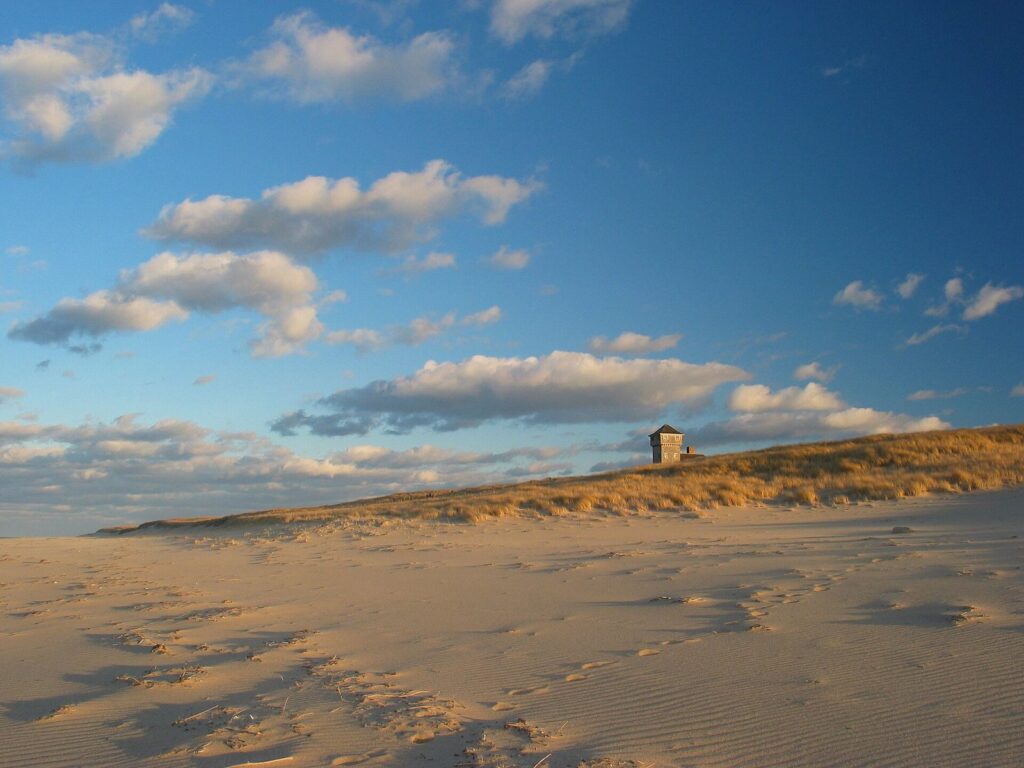
- Race Point Beach, December: photo by Daniel Schwen, Wikimedia Commons (CC BY-SA 2.5)
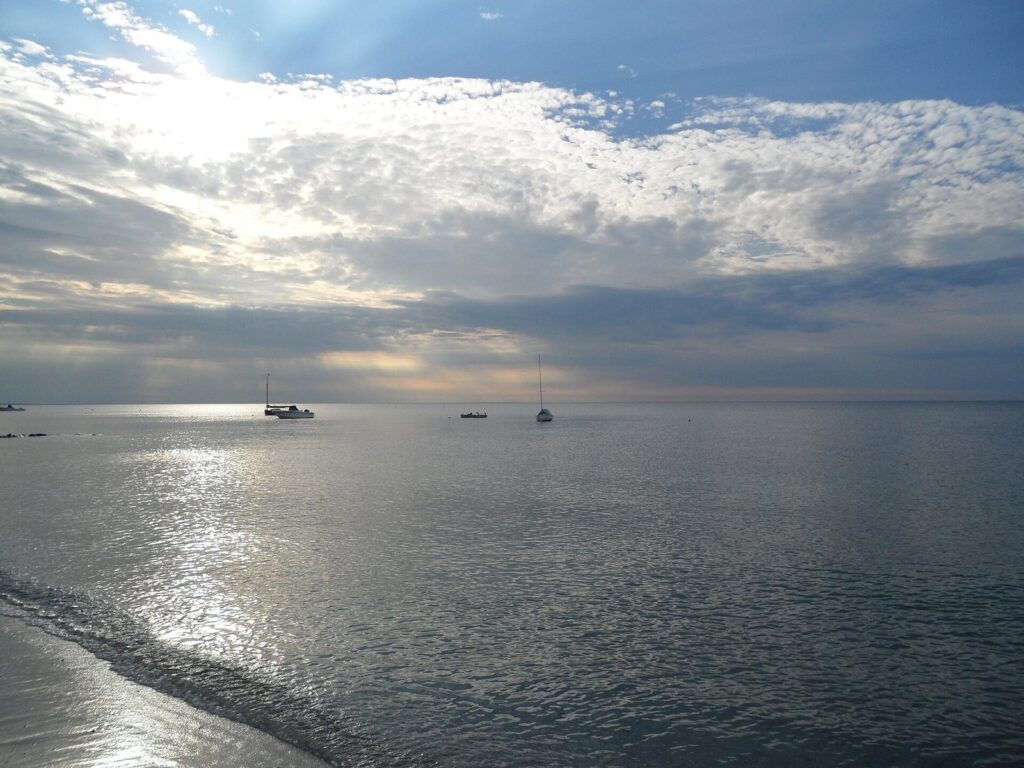
- Cape Cod Bay at sunset: photo by EgorovaSvetlana, Wikimedia Commons (CC BY-SA 4.0)
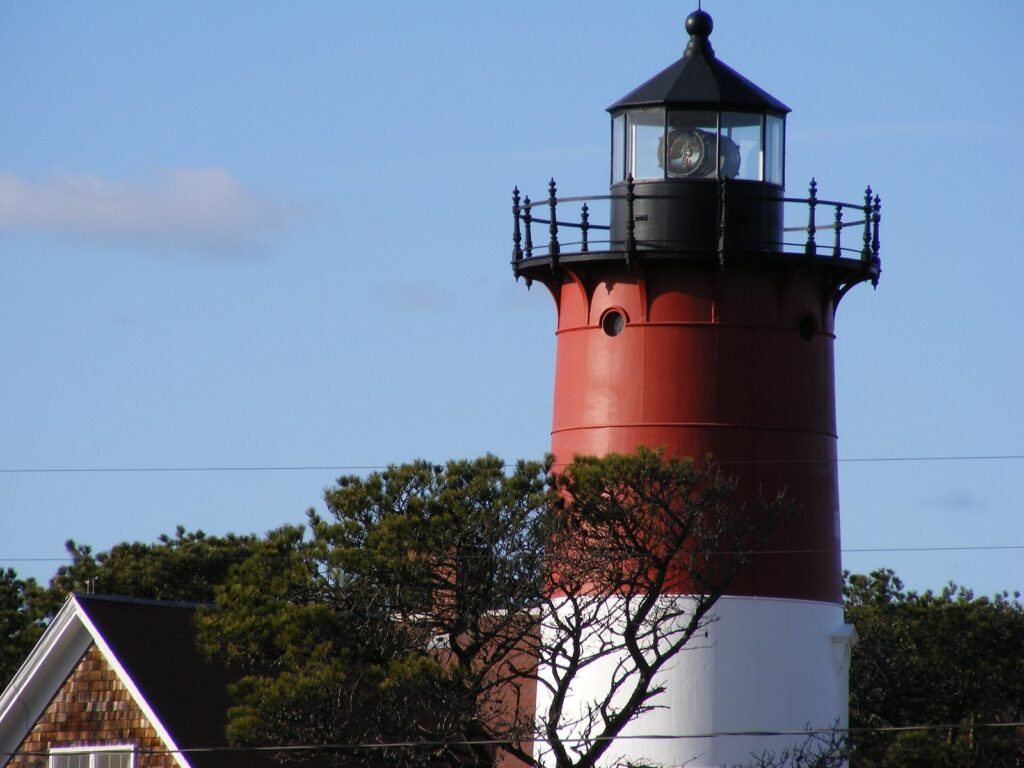
- Nauset Light, Eastham: photo by Ted Kerwin, Wikimedia Commons (CC BY 2.0)
- Seals on South Monomoy Island: photo by U. S. Fish and Wildlife Service – Northeast Region, Wikimedia Commons (public domain)
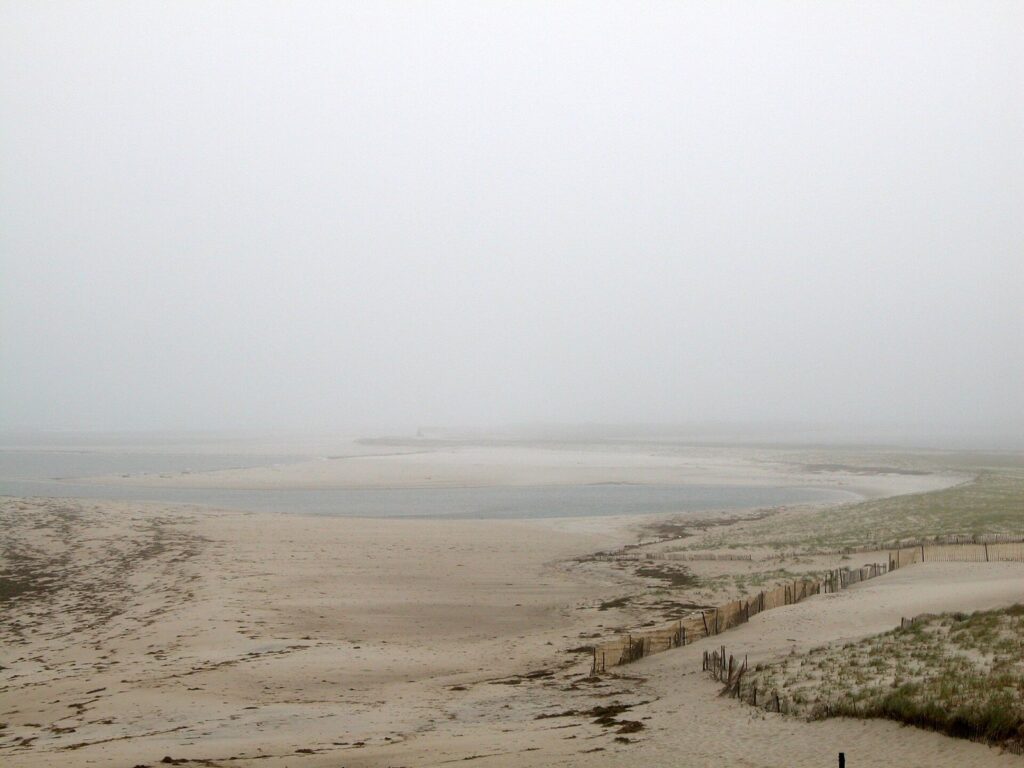
- Chatham beach in fog: photo by tom burke from Morgan Hill, CA, USA, Wikimedia Commons (CC BY 2.0)